Dental Implant Preparation: What needs to be clarified before the procedure
Before a dental implant, examination, X-rays, cost estimate and appointment scheduling are necessary. The article explains the steps and provides a checklist for planning before year-end.
Dental implant preparation typically includes a dental examination, X-ray imaging, clarification of your medical history and a written cost estimate from the clinic. Especially in autumn, many patients wonder how to organize appointments and documents before year-end. This article shows which steps are customary before the procedure and what you can prepare.
Why dental implant preparation takes time
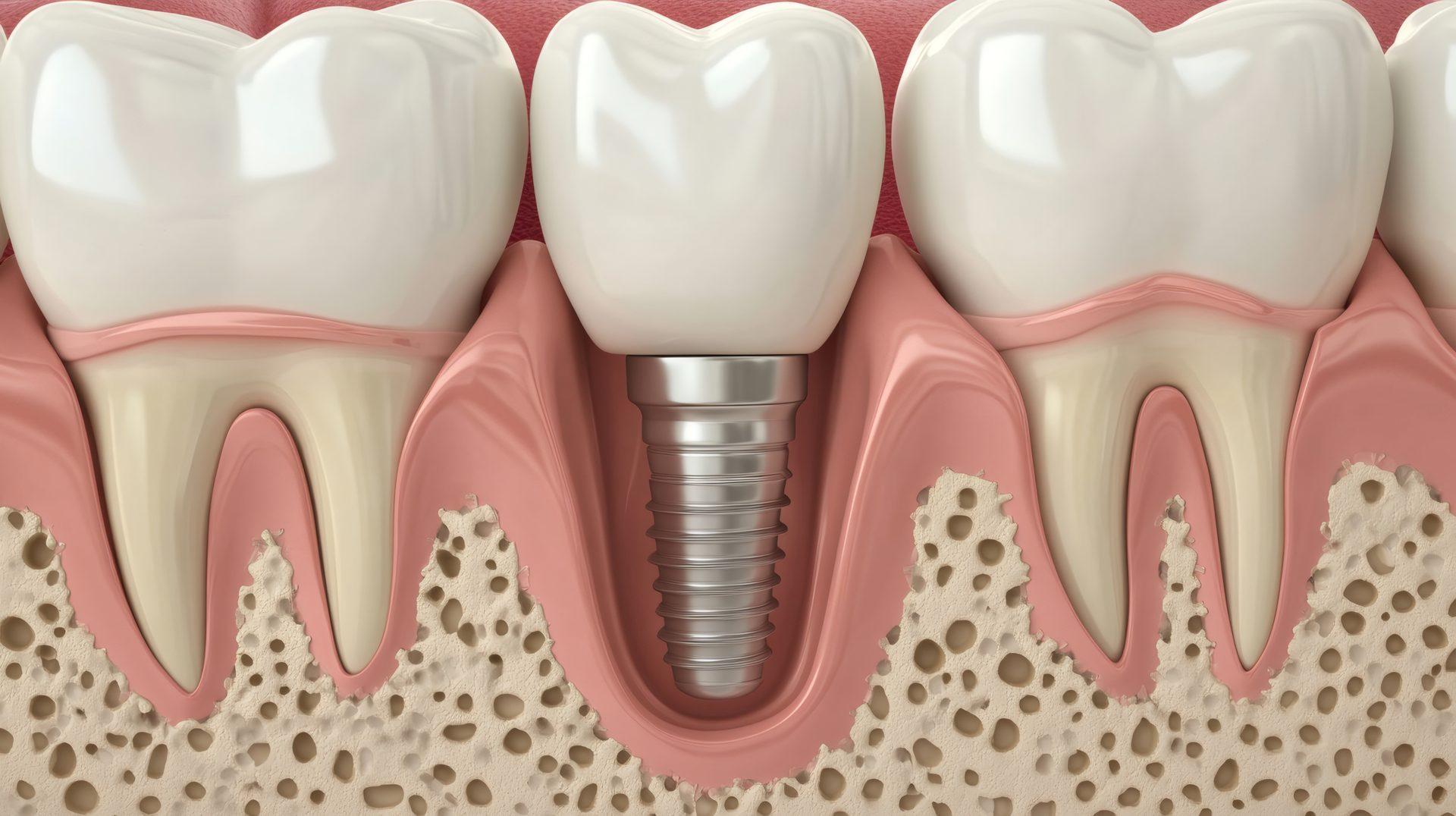
A dental implant is an artificial tooth root, usually made of titanium or ceramic, that is anchored in the jawbone. Whether this procedure is suitable for you is decided exclusively by the dentist after an examination.
The preparation serves to clarify your situation: the condition of your teeth and gums, the amount and quality of bone, general health. This determines which steps are necessary before and after the procedure. Some patients require additional treatments beforehand, others do not.
Pre-examination and X-rays
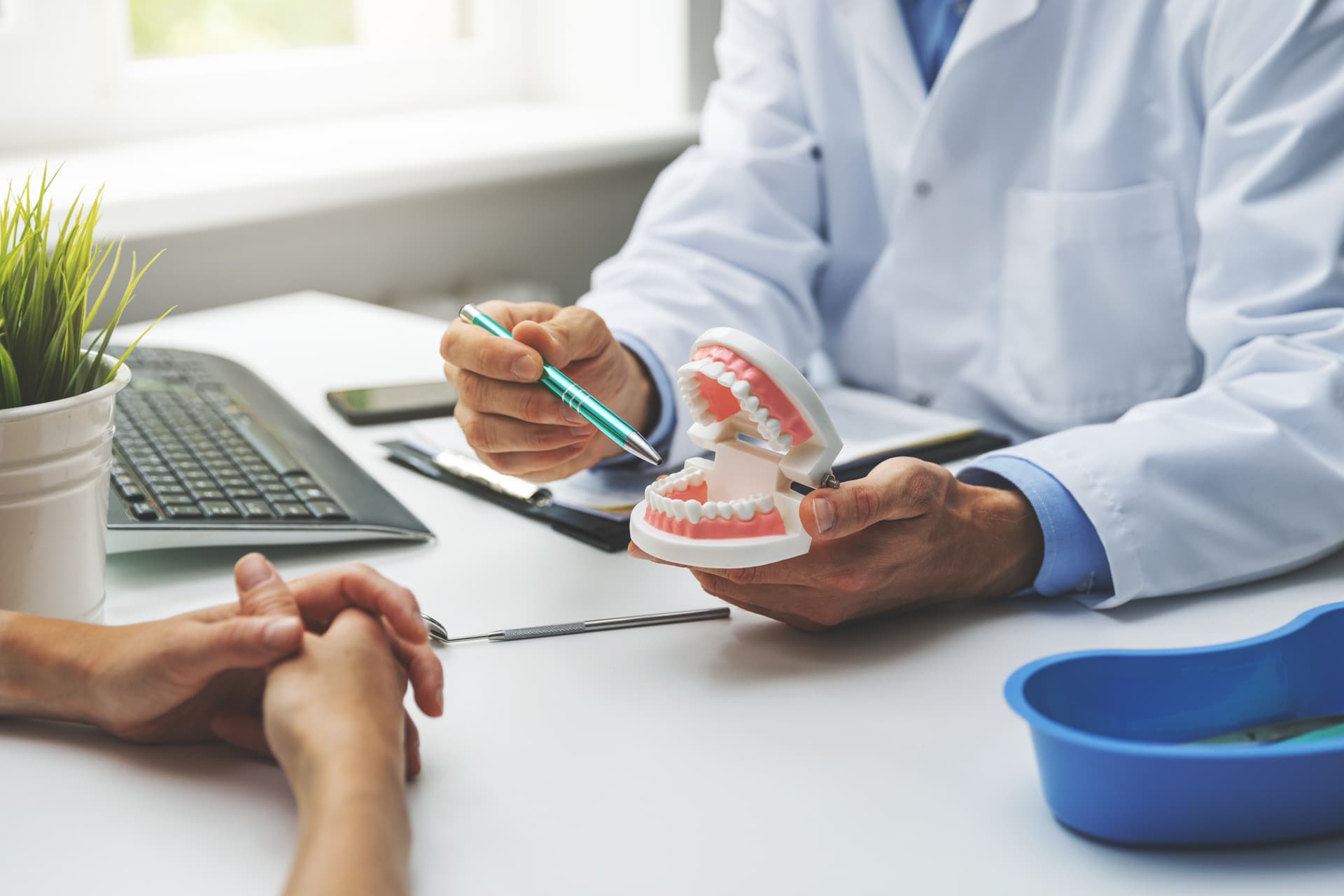
The clinical examination comes first. The dentist examines your teeth, gums and bite and discusses your wishes and concerns with you.
Imaging
For planning, an X-ray is usually taken. This is often a panoramic X-ray or a three-dimensional image (digital volume tomography, or DVT for short). It shows how much bone is present and where nerves and sinuses are located. The clinic decides which image it considers necessary.
If current images are already available, the clinic can tell you whether they can be used. Do not send images by email or messenger. Ask the clinic how documents can be transmitted securely or whether you should bring them to your appointment.
Treatment of pre-existing oral conditions
Existing inflammation of the gums or periodontal tissues should be evaluated before an implant. This includes, for example, a periodontal treatment. Untreated tooth decay or diseased tooth roots can also be addressed beforehand, for example with fillings and root canal treatment. The clinic decides whether and in what order treatment will be performed.
Documents and medication list for the clinic
For dental implant preparation, your health information is important. Compile it as completely as possible:
- List of all medications with dosage, including over-the-counter preparations and dietary supplements
- Notes on blood thinners, bisphosphonates or medications that affect the immune system
- Known conditions, for example diabetes, cardiovascular disease or osteoporosis
- Allergies and intolerances, especially to anesthetics, antibiotics or metals
- Previous operations and anesthesia experience
- Information about smoking, as this can affect the healing process
- Existing X-ray images and dental records
- An identity document and your insurance information
Some medications may need to be adjusted before a procedure. Do not stop taking anything on your own, but discuss this with your treating dentist, and if necessary, also with your general practitioner.
Discuss cost plan and treatment procedure
After the examination, the clinic will provide you with a written cost plan. The costs are determined by the clinic following the examination. Check which services are listed, for example X-rays, implant, abutment, and prosthetic tooth.
The plan should also describe the planned procedure: how many appointments are scheduled, at what intervals, and what happens between them. Whether an osseointegration phase follows after placement is explained in our article on healing duration and the phases of osseointegration. If bone augmentation or further oral surgical procedures are necessary, the procedure may change.
The material is also an important topic: ask which implant system is used and which manufacturers are behind it. You can find background information in the article Dental implants: Which products are used?.
Schedule dental implant appointment: checklist before year-end
If you want to begin treatment this year or prepare documents, you should plan realistically. Appointment availability, waiting times, and the procedure depend on the respective clinic. A checklist can help:
- Contact the clinic early so appointments for the preliminary examination can be scheduled
- Clarify whether the preliminary examination and the procedure will take place during one visit or at separate appointments
- Ask how much time should be between examination and procedure
- Consider that holidays and year-end may limit appointment availability
- Gather your medication list, medical records, and imaging in good time
- Discuss with the clinic when follow-up appointments are necessary and whether these can take place locally or with a dentist near you
- Plan travel and accommodation: you can book these yourself or through the clinic
- For appointments abroad, plan vacation and work time for possible follow-up appointments
Information on planning treatment in Croatia can be found in the article Dental treatment in Croatia: what you should consider regarding planning and costs.
Risks, side effects, and limitations
Every surgical procedure carries risks. With dental implants, these include swelling, bruising, post-operative bleeding, and pain. Inflammation may occur in the area of the implant, even after a long time. Injury to adjacent structures such as nerves, teeth, or the sinus cavity is possible, as well as sensory disturbances. An implant may fail to osseointegrate and may need to be removed if necessary.
Smoking, inadequate oral hygiene, certain medical conditions, and medications can increase the risk. Insufficient bone can also set limitations or require additional procedures. Treatment is usually performed under local anesthesia; the clinic will discuss details with you. The clinic must inform you before the procedure about risks, alternatives, and aftercare. Alternatives include dental crowns and bridges or removable dentures.
What you should discuss with the clinic
Write down your questions before the consultation:
- Which examinations and imaging are necessary before the procedure?
- Is an implant suitable for me, and what alternatives are there?
- Are additional treatments such as bone augmentation or periodontal therapy necessary?
- What risks exist in my case?
- Which medications should I discuss in advance with you or my general practitioner?
- Which services are included in the written cost plan, and what is not included?
- How many appointments are necessary, and at what intervals?
- Who is available if problems arise after treatment, and how does aftercare work?
- What documents will I receive after treatment, for example for my dentist at home?
How GO Medics provides organizational support
GO Medics establishes contact with partner clinics in Croatia, for example in Zagreb, Split, Poreč or Zadar, and provides support with scheduling appointments and compiling documentation. Medical advice, diagnosis, cost planning and treatment are provided exclusively by the clinic. GO Medics does not provide medical recommendations and does not book travel services. For more information about this area, visit Dental treatments.
Frequently asked questions
What examinations are typical before a dental implant?
As a rule, a dental examination and an X-ray are included, often a panoramic X-ray or a 3D scan. The clinic will decide which examinations are necessary in your case.
What documents should I bring to the preliminary examination?
Helpful items include a list of medications, information about illnesses and allergies, as well as any existing X-rays and dental records. Ask the clinic which documents it specifically needs and how they should be submitted.
Do I need to stop taking medications before the procedure?
This depends on the medication and your medical condition. Do not stop any medications on your own, but discuss this with the clinic and your general practitioner.
How early should I schedule an appointment before the end of the year?
Appointment availability and waiting times vary depending on the clinic, and holidays can affect them. It is advisable to make contact early and coordinate the process with the clinic.
Note: This article is for general information only and does not replace medical consultation. Whether treatment is suitable for you is decided by your treating doctor after an examination. GO Medics handles organizational tasks and does not provide medical recommendations.
Interested in treatment?
Send an enquiry