Lens surgery instead of glasses: refractive lens exchange in Croatia and Slovenia
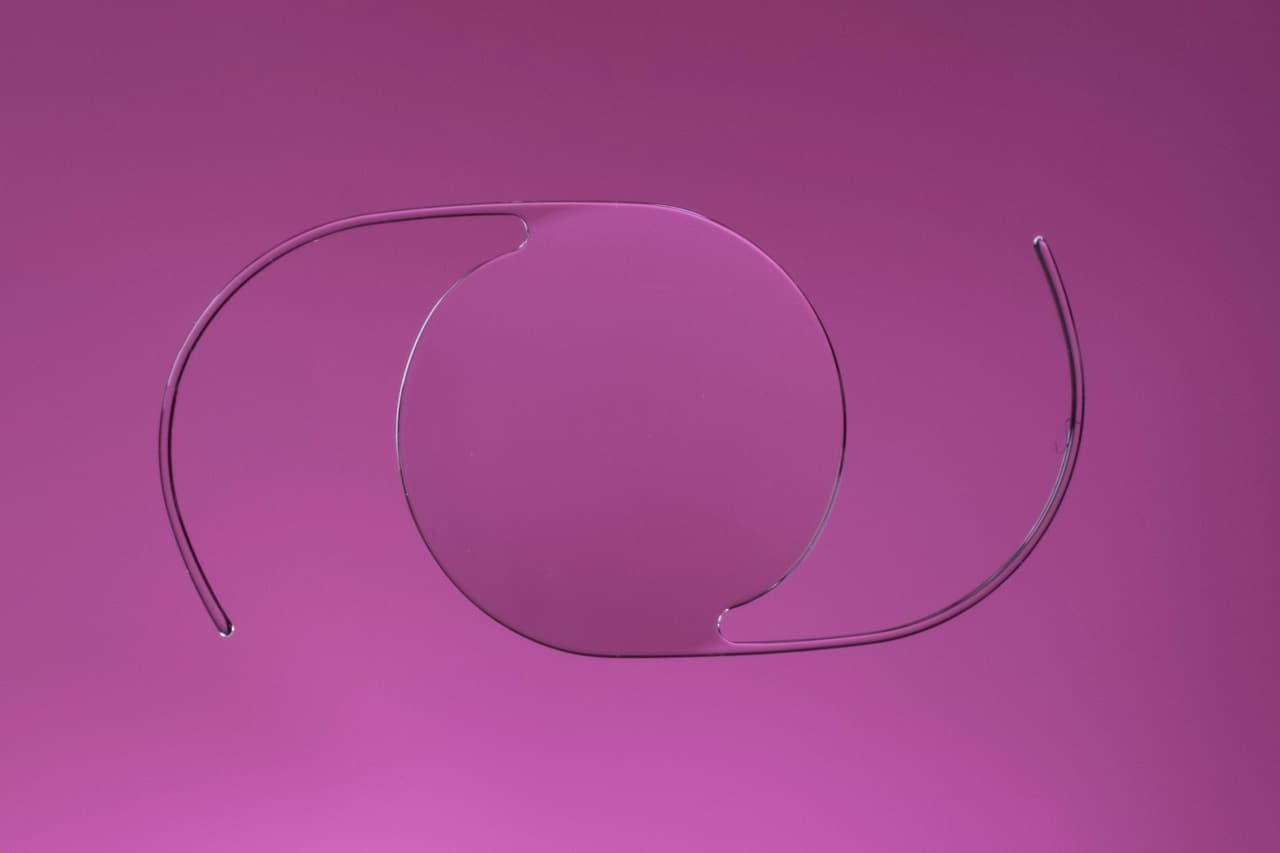
Many people want greater independence from glasses or contact lenses in later life too. Where presbyopia, short-sightedness or long-sightedness come together, laser treatment is not always the right solution. In such cases a refractive lens exchange, also called clear lens extraction or refractive lens exchange, can be an option. In this procedure the natural lens of the eye is removed and replaced by an artificial intraocular lens. Technically the procedure resembles cataract surgery, but it can also be carried out where there is not yet pronounced clouding of the lens. Heidelberg University Hospital describes refractive lens replacement particularly for people with a strong refractive error or beginning presbyopia for whom other procedures are not suitable. For patients from Germany, Austria and Switzerland, specialised eye clinics in Croatia and Slovenia offer consultation, biometry and various lens models. Our partner clinics in Zagreb carry out refractive lens implantation as day surgery.
A refractive lens exchange or cataract surgery?
The surgical technique is basically similar in both procedures: the natural lens is removed and replaced by an artificial intraocular lens. The essential difference lies in the starting situation and the aim of the treatment.
Cataract surgery
With cataract surgery the natural lens is already clouded. The patient sees increasingly blurred, colours look paler or light sources become disturbing. The aim is to remove the clouded lens and improve vision again.
Refractive lens exchange
With a refractive lens exchange, correcting a refractive error or presbyopia is the priority to begin with. The natural lens does not yet have to be heavily clouded. It is removed because an artificial lens can correct the ranges of vision better or because laser treatment is not suitable.
A refractive lens exchange at the same time removes the risk of a later cataract in the treated eye, because the natural lens can no longer cloud over. Even so, it is an intraocular procedure with the corresponding risks and not a simple cosmetic treatment.
Who can a lens exchange be an option for?
A refractive lens exchange is often an option for people from about 45 or 50, when the natural lens loses its ability to focus close up. So-called presbyopia makes reading, working on a smartphone or seeing at intermediate distance increasingly difficult.
The procedure can be particularly interesting with:
- Presbyopia
- Severe long-sightedness
- A combination of short- or long-sightedness and presbyopia
- A high refractive error that cannot be treated well with a laser
- Intolerance of contact lenses
- A wish for a permanent correction of the lens function
- Beginning clouding of the lens
The German Commission for Refractive Surgery sees a refractive lens exchange as a possible option above all for patients with short- or long-sightedness plus presbyopia. In younger people without presbyopia, on the other hand, the procedure is only recommended in particular situations.
Not every patient over 45 is automatically suitable. The decision depends on the cornea, retina, optic nerve, axial length, the condition of the lens, dioptres, lifestyle and general health conditions.
Which refractive errors can be treated?
Presbyopia
With presbyopia a suitable multifocal, trifocal or EDOF lens can cover different ranges of vision. The aim is better sight at a distance, at intermediate distance and to some extent close up.
Short-sightedness
For short-sighted patients a refractive lens exchange can be an alternative where the refractive error is very high or laser treatment is not recommended because of the cornea. With high short-sightedness the retina has to be examined particularly carefully, because there can be a raised risk of retinal problems even independently of the operation.
Long-sightedness
With higher long-sightedness a lens exchange can also make sense. In strongly long-sighted eyes the selection and calculation of the lens is particularly demanding. Precise biometry is necessary to reach the desired target refraction as exactly as possible.
Which artificial lens suits your lifestyle?
Choosing the lens is one of the most important decisions of the whole treatment. There is no single “best” lens for all patients. What counts is how someone lives their daily life and which optical side effects can be accepted.
Monofocal lenses
Monofocal lenses are focused on one main range of vision, usually distance. For reading and often for the computer too, patients then need glasses.
Advantages:
- Good contrast perception
- Proven technology
- Fewer optical phenomena than with multifocal lenses
- Often suitable for patients who accept reading glasses.
Multifocal lenses
Multifocal lenses distribute the light over several focal points. They can improve sight at a distance and close up, but can also lead to halos, sensitivity to glare or reduced contrast perception.
Trifocal lenses
Trifocal lenses are designed for three ranges of vision: distance, intermediate distance and close up. They can be particularly interesting for patients who want to wear glasses as little as possible and value reading and computer work. Bilić Vision describes trifocal lenses as a possible permanent solution for patients over 55 who want to reduce their dependence on glasses. At the same time the scientific discussion points out that while trifocal lenses can allow a high degree of independence from glasses, they are not free of optical side effects.
EDOF lenses
EDOF stands for Extended Depth of Focus, that is an extended depth of field. These lenses create a broader range of vision and can be suitable particularly for distance and intermediate distance. For small print or longer reading, light glasses may still be needed.
EDOF lenses can be interesting for patients who want good vision in everyday life and at the computer but accept reading glasses. They are not automatically free of halos or other optical effects.
Preliminary examinations and biometry
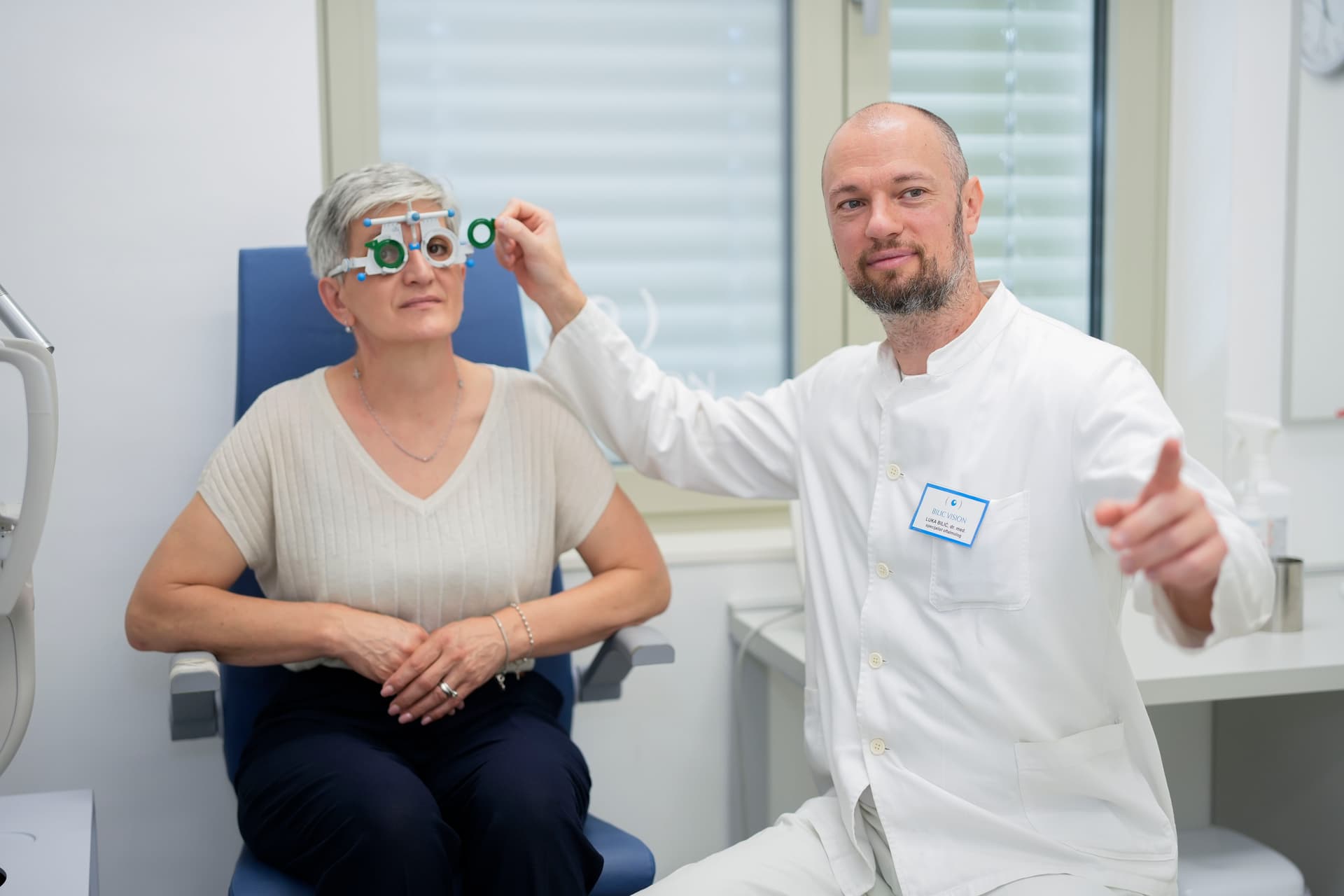
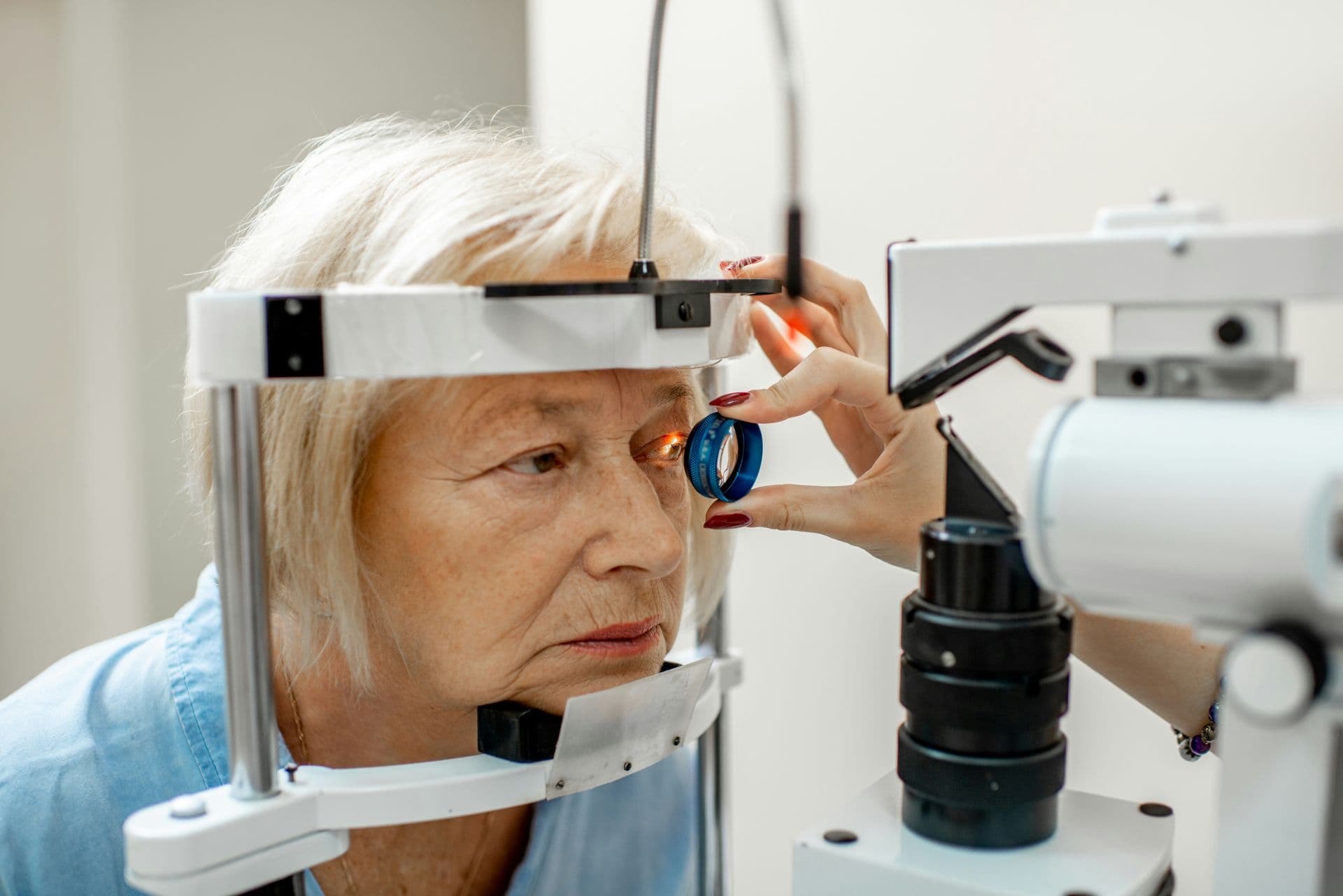
A comprehensive examination is necessary before a refractive lens exchange. The aim is to establish suitability, select the right lens and calculate its power as precisely as possible.
Typical examinations are:
- Determining the current spectacle prescription
- Measuring the corneal curvature
- Corneal topography
- Measuring intraocular pressure
- Examining the retina and macula
- Assessing the optic nerve
- Measuring the axial length of the eye
- Checking the front part of the eye
- Biometry
- Ruling out glaucoma, macular disease and retinal changes
Biometry is particularly important because the artificial lens has to be calculated individually. Even small measurement deviations can affect the refractive result. With dry eyes, an irregular cornea, previous operations or contact lens wearers, the planning can be even more demanding.
Before travelling, patients should ask whether contact lenses have to be left out for a certain time. Contact lenses can temporarily change the shape of the cornea and thereby distort measurements.
How the treatment works
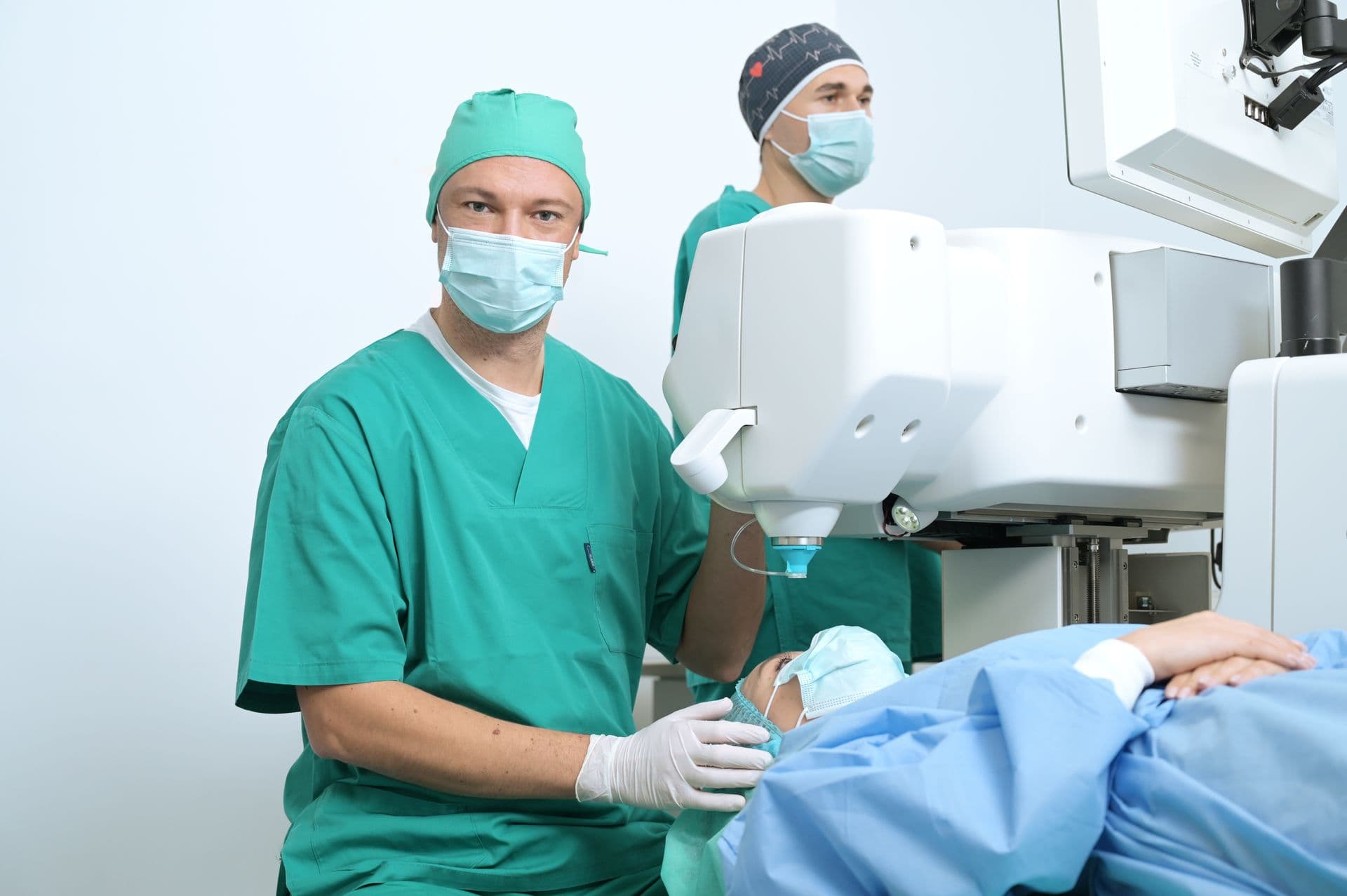
As a day procedure, the operation for a multifocal lens implantation takes about 10 to 15 minutes. The natural lens is removed by phacoemulsification and replaced by an artificial lens.
The treatment is normally carried out under local anaesthetic with eye drops. During the procedure the patient generally feels no pain but may notice touch or pressure. After the operation the eye is checked and the patient receives a plan for drops and aftercare.
Both eyes should not automatically be operated on the same day. An interval of about one to two weeks between the procedures is usual. The specific schedule depends on the clinic, the findings and how the individual heals.

A cost comparison
Prices for a refractive lens exchange depend above all on the type of lens, the surgical method, the extent of the examinations, the surgeon and the aftercare. In Croatia the costs per eye are:
- Clear lens extraction with a trifocal lens: about €2,000
- Clear lens extraction with an EDOF lens, for example Galaxy or Vivity: about €2,500
- A premium femto lens exchange with a trifocal lens: about €2,500
- A premium femto lens exchange with an EDOF lens: about €3,000
- Cataract surgery with a monofocal lens: about €1,500
- Cataract surgery with a monofocal-plus lens: about €1,700
Where only one eye is treated, according to the published price information an additional surcharge can apply.
For Germany, refractive lens replacement operations are often quoted at about €3,500 to €6,500 per eye depending on the type of lens and the clinic. In Austria guide values are often about €3,000 to €6,000 per eye. In Switzerland the costs can be about CHF 4,500 to 8,000 per eye or more.
These figures are not fully comparable. Before booking, patients should clarify whether the following services are included in the price:
- The preliminary examination and biometry
- The lens implant
- The surgeon and surgical team
- Anaesthesia or anaesthetic
- Medication
- The first follow-up checks
- Treatment of both eyes
- A later correction or subsequent aftercare
- A written surgery and lens record
The prices published by GO Medics are a guide value and should be confirmed directly with the clinic before travelling. A particularly low price may refer to a standard lens and not to a premium trifocal or EDOF lens.
Risks and possible after-effects
Like every intraocular procedure, a refractive lens exchange involves risks. Most patients recover well, but there is no guarantee of a particular visual result.
Possible risks and side effects are:
- Temporary irritation or sensitivity to light
- Dry eyes
- Halos and sensitivity to glare
- Reduced contrast perception
- A residual error and glasses that are still needed
- Over- or under-correction
- Raised or fluctuating intraocular pressure
- Inflammation
- Macular oedema
- Displacement or rotation of the lens
- Posterior capsule opacification
- Retinal detachment
- A very rare severe infection or permanent deterioration of vision
Multifocal lenses can cause optical phenomena particularly when driving at night, with oncoming traffic or with bright light sources. Some patients get used to them over time, others find the limitations disturbing.
In strongly short-sighted patients the risk of retinal detachment has to be given particular attention. German specialist information points out that this risk can be increased by a refractive lens exchange.
Residual glasses and realistic expectations
Even with a premium lens, glasses may still be needed for some things. That applies particularly to very small print, longer reading, poor lighting conditions or certain occupational activities. Complete freedom from glasses cannot be guaranteed.
The most important question is therefore not: “Am I guaranteed never to need glasses again?” Better is: “For which distances do I want to be as independent of glasses as possible in everyday life?”
A patient who reads a lot may need a different lens strategy from someone who often drives at night. Anyone who works at a computer should pay particular attention to the intermediate range. Musicians, pilots, surgeons, photographers or people with high demands on contrast and night vision need especially careful advice.
Aftercare and later complaints
After the procedure, eye drops are used regularly. The clinic decides how long anti-inflammatory or antibiotic drops are needed. In the first few days the eye should not be rubbed or pressed. Heavy lifting, swimming, the sauna and strenuous physical activity should be avoided until the ophthalmologist gives the go-ahead.
Our partners in ophthalmology recommend long-term ophthalmological care and offer refractive lens implantation with modern technology.
Posterior capsule opacification can appear months or years after the operation. The rear lens capsule clouds over. The treatment is normally carried out as a day procedure with a YAG laser.
With the following symptoms, patients should contact an ophthalmologist or an emergency clinic immediately:
- A sudden deterioration of vision
- Severe or increasing pain
- Severe redness
- Flashes of light or new floaters
- A shadow or curtain in the field of vision
- Severe nausea together with eye pain
- Purulent discharge
- Marked sensitivity to light
Patients should not turn to the clinic abroad alone and wait for an email reply when acute warning signs appear. A local eye examination then takes priority.
Planning a lens exchange in Croatia or Slovenia
Before treatment abroad, patients should send their findings, spectacle prescription, list of medication and information about previous eye operations. The clinic should state in writing which examinations are necessary and how many appointments on site have to be planned.
For patients from German-speaking countries the following questions are also important:
- Is the preliminary examination carried out on the same day as the operation?
- How long does the patient have to stay on site?
- When may the patient fly back or drive?
- How many check-ups are planned before the journey home?
- Is the lens documentation handed over in German or English?
- Who can be reached for questions after returning home?
- Which ophthalmologists at home can take over the aftercare?
- What happens in the event of a residual error or a complication?
GO Medics can coordinate communication with the partner clinics, send findings and help organise the examination, surgery, accommodation and follow-up checks. The medical decision on suitability and the type of lens is, however, made solely by the treating ophthalmologist.
Conclusion
A refractive lens exchange can be an interesting option for patients from about 45 or 50 where presbyopia is combined with short- or long-sightedness and laser treatment does not seem suitable. Unlike with cataract surgery, with a refractive lens exchange the natural lens is often removed before pronounced clouding.
Monofocal, multifocal, trifocal and EDOF lenses pursue different aims. The right lens depends on lifestyle, occupational demands, the wish to be free of glasses and the willingness to accept possible optical side effects. A comprehensive preliminary examination with precise biometry is therefore indispensable.
Croatia and Slovenia can offer attractive treatment options for patients from Germany, Austria and Switzerland. Our partner clinics offer refractive lens implantation and modern ophthalmological diagnostics. The costs can be below the level in German-speaking countries, but have to be compared on the basis of the complete package of services.
Are you interested in a refractive lens exchange in Croatia or Slovenia? GO Medics supports you in choosing a suitable partner clinic, sending your findings, arranging appointments and organising your treatment.
Interested in treatment?
Get a free consultation now