Glaucoma treatment abroad: glaucoma in Croatia and Slovenia
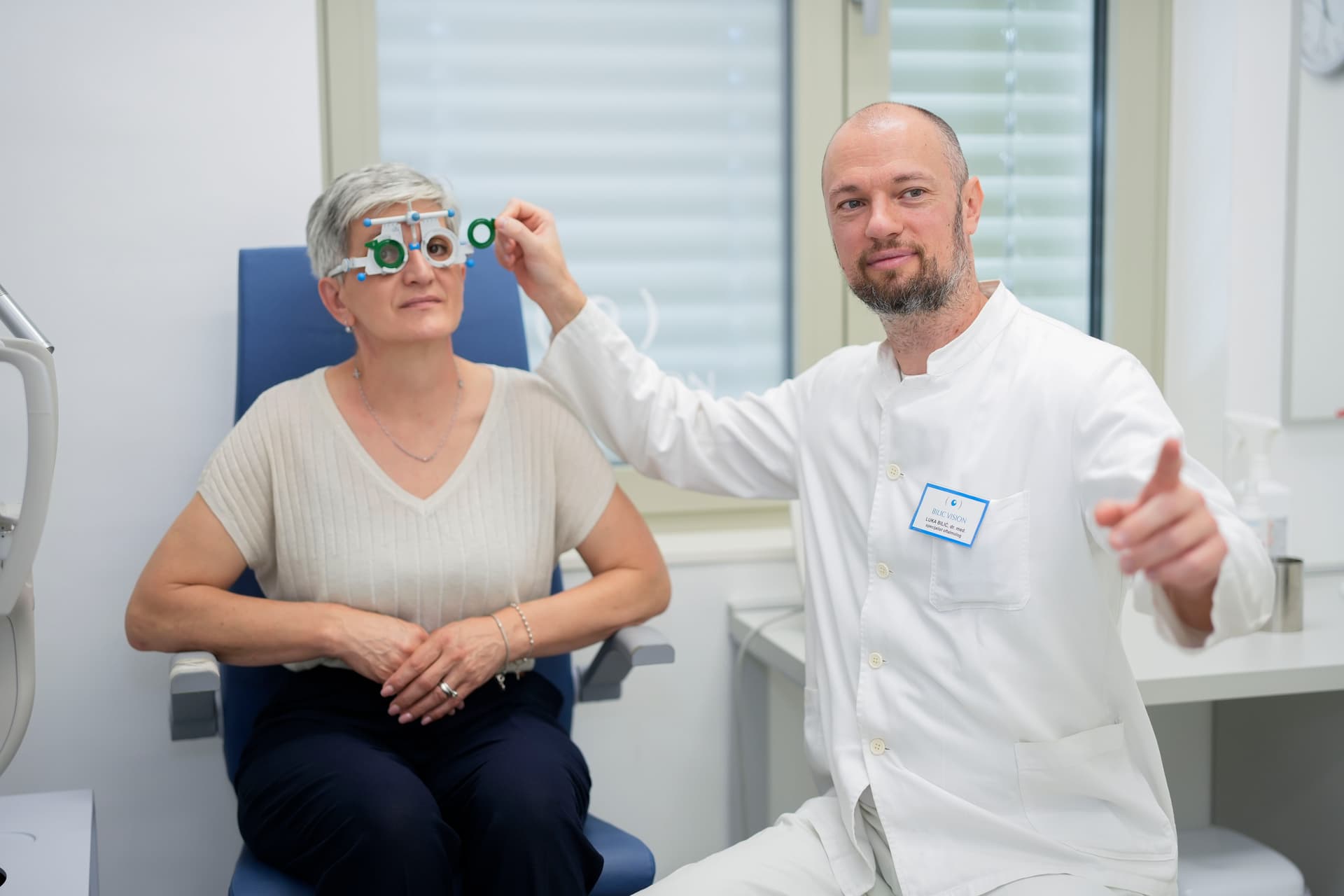
Glaucoma is one of the common eye diseases in Europe. It can damage the optic nerve progressively and run for a long time without clear symptoms. That makes regular screening especially important: glaucoma screening should be offered from the age of 40; from 50 the frequency rises further. For patients from Germany, Austria and Switzerland, a specialised examination in Zagreb can be an interesting option where comprehensive diagnostics or a second specialist opinion are needed at short notice. Partner clinics such as Bilić Vision offer examinations with intraocular pressure measurement, visual field testing and OCT. An examination abroad does not, however, automatically replace long-term care by an ophthalmologist where you live.
What is glaucoma?
In glaucoma the optic nerve and the nerve fibre layer are damaged. Intraocular pressure is an important risk factor, but not every glaucoma is caused solely by raised pressure. Conversely, not everyone with raised intraocular pressure develops lasting loss of vision.
Glaucoma can develop insidiously. With the common open-angle glaucoma, those affected often notice no restrictions for a long time. Loss of visual field typically begins outside central vision and is therefore easily overlooked in everyday life at first. Damage that has already occurred to the optic nerve can generally not be reversed. The aim of treatment is therefore to prevent further deterioration as far as possible.
An acute angle closure, on the other hand, can present with severe eye pain, a red eye, nausea, headache or sudden deterioration of vision. Such symptoms are a medical emergency and belong in emergency eye care immediately — regardless of whether you happen to be travelling in Croatia, Slovenia or at home.
Who is in the risk group?
An examination is particularly important for people over 50 and for anyone with a family history. First-degree relatives with glaucoma raise your own risk considerably; German specialist information gives roughly a twofold increase in risk where a parent is affected.
Other risk factors can be:
- Older age
- Severe short-sightedness from about minus 4 dioptres
- Raised intraocular pressure
- A thin cornea
- Diabetes
- Long-term treatment with cortisone
- Pseudoexfoliation or pigment dispersion syndrome
- Certain ethnic or family risk constellations
How often check-ups are needed depends on age, findings and risk profile. Without additional risk factors, specialist information often gives five-year intervals for 40- to 59-year-olds and two- to three-year intervals from the age of 60. Where there are additional risk factors, shorter intervals may be necessary.
The most important examinations
A single eye pressure measurement is not enough to confirm or rule out glaucoma reliably. The diagnosis combines several findings. These include examination of the optic nerve, intraocular pressure, the visual field, corneal thickness and, depending on the situation, assessment of the chamber angle.
Measuring intraocular pressure
Tonometry measures the pressure inside the eye. A raised value can indicate a raised risk, but on its own it is not a diagnosis. The readings have to be assessed together with corneal thickness, the optic nerve, the visual field and other findings.
Measuring the visual field
Perimetry tests how well light stimuli are perceived in different areas. This can reveal losses that are not yet noticeable in everyday life. The examination requires concentration and should be repeated where results are abnormal or unclear.
OCT — optical coherence tomography
Optical coherence tomography produces high-resolution cross-sectional images of the retina, the optic nerve head and the nerve fibre layer. Where glaucoma is suspected, OCT can show whether nerve fibres have thinned. Poliklinika dr. Ritz describes how OCT measures the thickness of the nerve fibre layer and thereby helps to detect glaucoma and monitor its course. When investigating glaucoma, Bilić Vision combines a complete eye examination with OCT and a computer-assisted visual field test. Its published price list for Zagreb sets out, among other things, examinations with intraocular pressure, visual field and OCT as combined services.
Gonioscopy and pachymetry
Gonioscopy assesses the chamber angle and helps to distinguish the different forms of glaucoma. Pachymetry measures the thickness of the cornea. This matters because it can influence how the measured intraocular pressure is interpreted. Poliklinika dr. Ritz names tonometry, ophthalmoscopy, perimetry, gonioscopy and pachymetry as the five basic components of a complete glaucoma work-up.
How an examination in Zagreb works
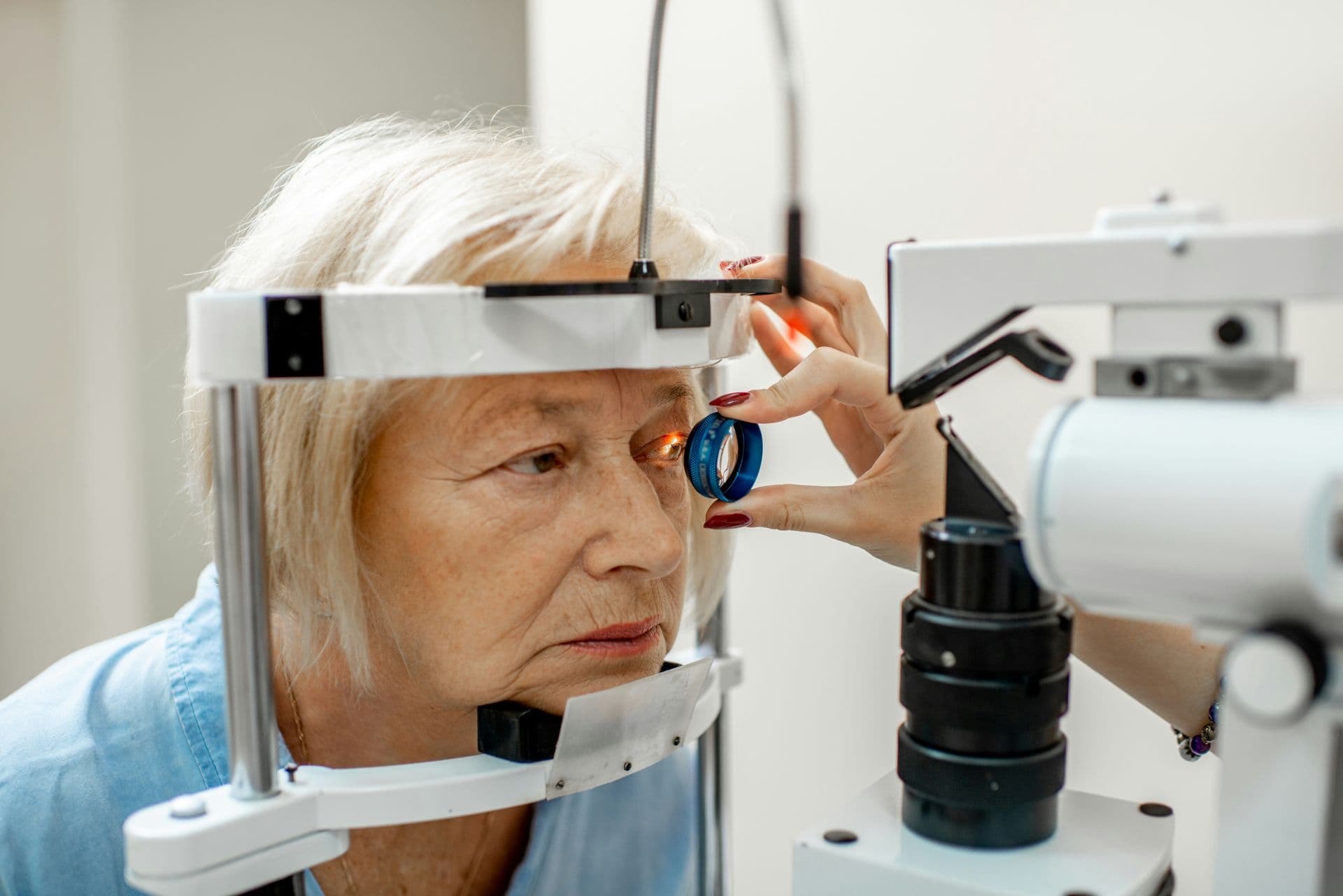
A comprehensive work-up can involve several steps depending on the findings. First the medical history, family risks, medication and earlier eye findings are recorded. Then follow the measurement of intraocular pressure, examination of the front and back of the eye, a visual field test and OCT. Pachymetry and gonioscopy are added where needed. Our partner clinics have equipment for biometry, pachymetry, visual field measurement, ultrasound and OCT. An Octopus 900 visual field device and an IRIDEX laser are also used for glaucoma diagnostics.
Treatment options
Eye drops
Drug therapy is often the first step in treatment. Eye drops can reduce the production of aqueous humour or improve its drainage and thereby lower intraocular pressure. Bilić Vision describes treatment with drops as the primary therapy, usually applied once or twice a day.
The drops have to be used regularly and as the doctor instructs. If there are side effects or problems with using them, they should not be stopped independently — the treating ophthalmologist should be contacted.
SLT laser therapy
Where eye drops do not work well enough, are not tolerated or a different treatment strategy seems sensible, selective laser trabeculoplasty — SLT for short — may be an option. Bilić Vision names SLT as a treatment option where local therapy does not regulate intraocular pressure sufficiently.
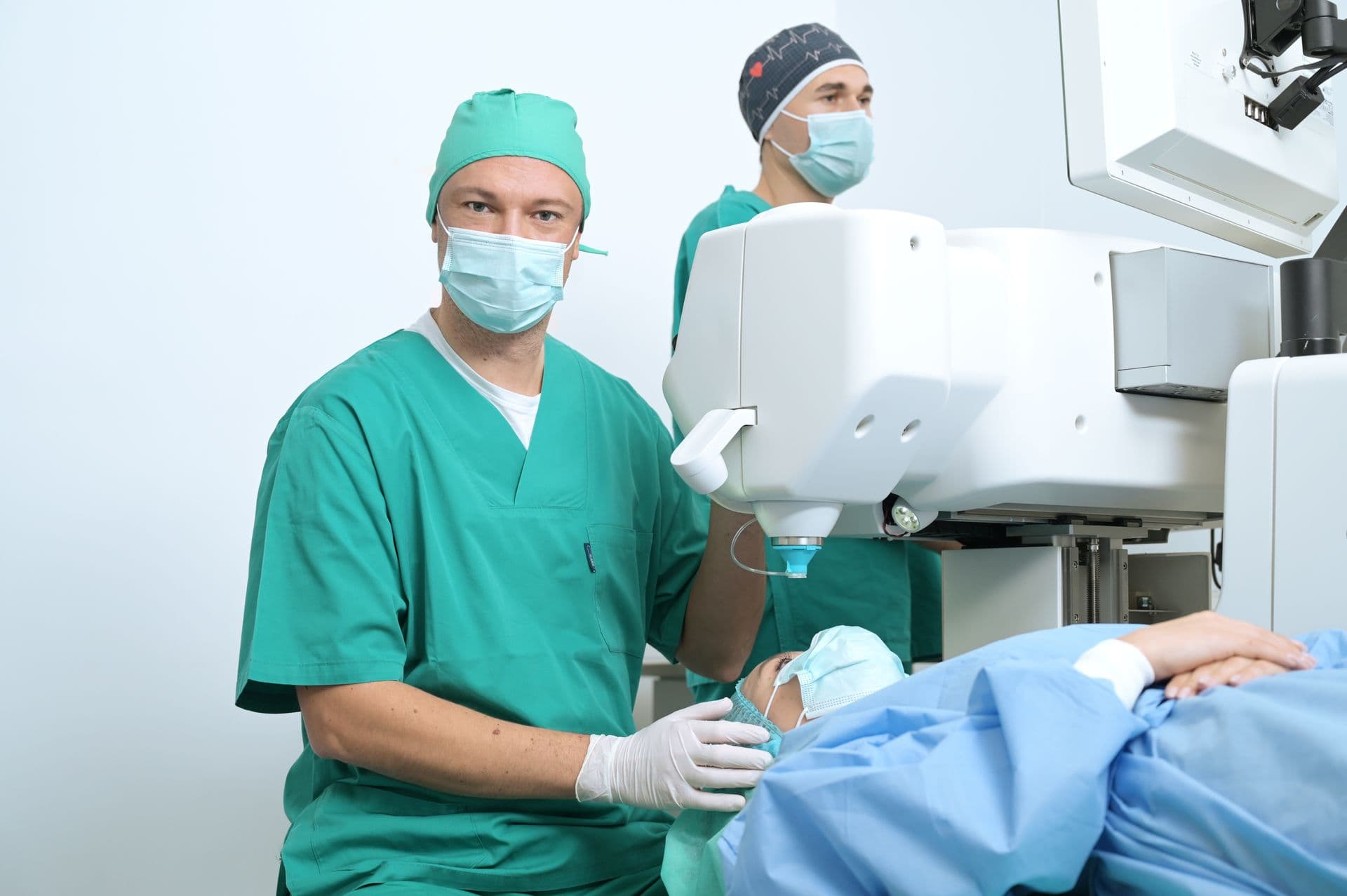
With SLT the drainage area of the aqueous humour is treated with laser pulses. The treatment is usually carried out on an outpatient basis under anaesthetic drops or local anaesthetic. It can lower the pressure but does not replace ongoing monitoring. The effect and how long it lasts are individual. Temporary irritation or pressure fluctuations can occur after the treatment; the clinic determines the specific aftercare.
Surgical procedures
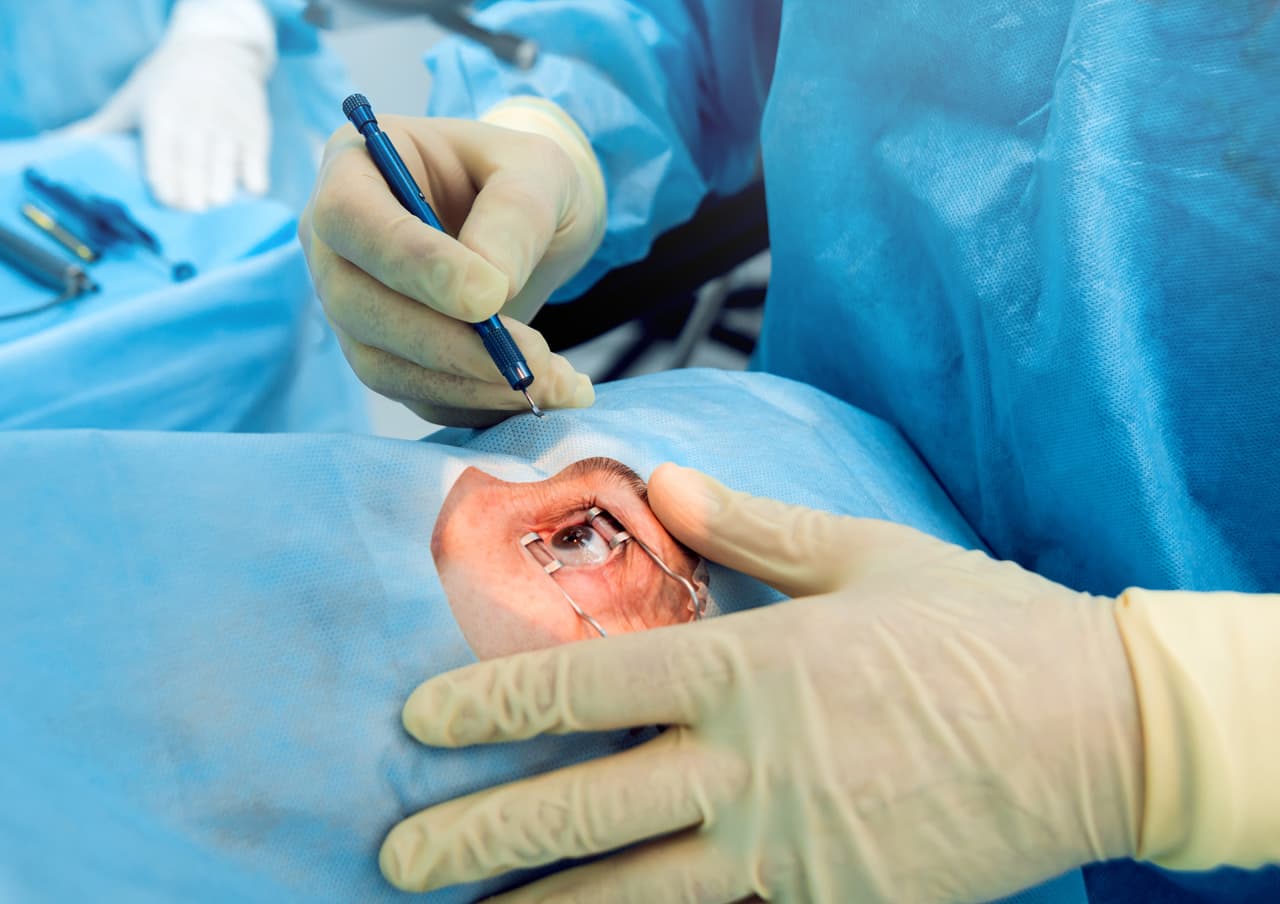
Where drops and laser are not enough or the disease has already advanced, surgery may become necessary. Depending on the form of glaucoma and the starting situation, filtering operations, minimally invasive glaucoma surgery or other pressure-lowering procedures may be considered.
Which method is suitable depends among other things on the damage to the optic nerve, intraocular pressure, the chamber angle, previous operations and concomitant conditions.
An operation should not be planned on the basis of a single pressure reading alone. What counts is the overall situation and the question of what target pressure is needed to protect the optic nerve as far as possible.
Costs for self-payers
The cost of a glaucoma work-up abroad depends on which examinations are necessary. As a guide: an examination with intraocular pressure and visual field is given as about €60, a combination of intraocular pressure, visual field and OCT as about €120; individual OCT and visual field examinations are listed separately.
For a glaucoma work-up the starting price is about €150. These figures are not the same as an individual cost estimate and should be confirmed directly with the clinic before an appointment is arranged.
For laser treatments and operations, prices are normally only quoted after the complete examination. Depending on the procedure, on one or both eyes, on anaesthesia, the operating theatre, follow-up checks and medication, the costs can vary greatly. The saving of 40 to 60 per cent for self-payers that is often quoted can therefore not be promised across the board. It may apply to certain examinations or procedures, but it depends on the individual case and on the comparison price.
Combining it with other eye examinations
One advantage of a specialised trip can be combining several medically sensible examinations in one stay. Depending on age, symptoms and findings, a general eye examination, a retinal check, macular diagnostics, a cataract work-up or an assessment of visual acuity can make sense alongside glaucoma diagnostics.
Planning the trip for patients from German-speaking countries
Zagreb is comparatively easy to reach for patients from Austria, southern Germany and Switzerland. For diagnostics alone, a stay of one day or a weekend is often enough. For laser treatment or surgery the length of stay has to be agreed individually with the clinic.
Before travelling, patients should clarify in writing:
- Which examinations are carried out at the first appointment?
- Do contact lenses have to be left out beforehand?
- Will the pupils be dilated?
- Is it allowed to drive after the examination?
- How many check-ups are needed after laser treatment?
- When is the journey home possible?
- Are findings and OCT images handed over digitally or on a data carrier?
- Is there a German-speaking contact person?
After the pupils have been dilated, vision can be temporarily blurred and sensitive to light. Patients should therefore not automatically plan to drive themselves there and back. The clinic should say in advance whether someone needs to accompany you.
Follow-up care at home
Glaucoma is generally a long-term condition. Even where the examination or laser therapy takes place abroad, the patient needs a plan for further monitoring at home. Depending on the situation this includes intraocular pressure measurements, visual field, OCT and assessment of the optic nerve.
Before returning home, patients should receive a written report with readings, imaging, diagnosis, treatment recommendation and a target range for intraocular pressure. These documents can be passed on to an ophthalmologist in Germany, Austria or Switzerland. A clinic abroad should also say who can be reached for questions and how check-ups at short notice are organised.
When is immediate help needed?
With sudden severe eye pain, a red eye, nausea, haloes around lights, rapid deterioration of vision, newly appearing visual field losses or severe headache, emergency eye care should be sought immediately.
After laser treatment or surgery too, increasing pain, severe redness, purulent discharge, marked deterioration of vision or pronounced sensitivity to light must be investigated by a doctor quickly. Patients should take the report from the clinic abroad with them and also inform the local emergency service.
How can GO Medics support you?
A glaucoma work-up is more than a single measurement. Patients need a sensible combination of diagnostics, a doctor's assessment, a comprehensible explanation and a plan for further treatment. GO Medics supports patients from German-speaking countries in making contact with partner clinics, arranging appointments, communication and organising a suitable stay for the examination.
Arranging this does not replace a medical decision. Whether drops, SLT or an operation are suitable must be decided solely by the treating ophthalmologist after a complete examination. GO Medics helps you get the right information and prepare the treatment in a structured way.
Glaucoma can go unnoticed for a long time and damage the optic nerve permanently. For people over 50 and for patients with a family history, severe short-sightedness, raised intraocular pressure or other risk factors, regular checks are particularly important.
Would you like to have a glaucoma examination in Zagreb? GO Medics supports you in choosing a partner clinic, arranging appointments and coordinating your examination in Croatia.
Interested in treatment?
Get a free consultation now