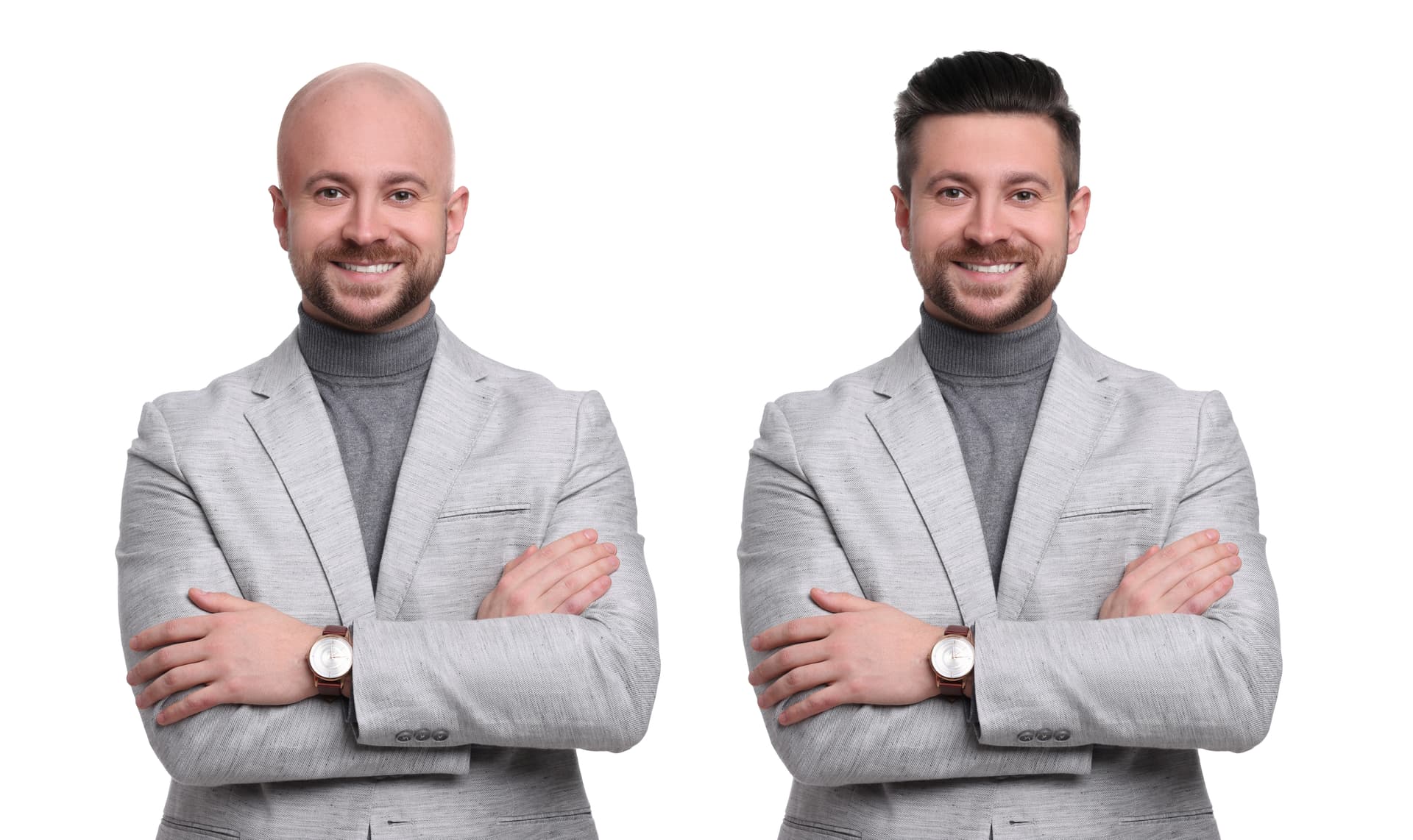
Hair transplant and nutrition: which nutrients can support hair growth

Nutrients and hair health: what really counts. Hair consists mainly of keratin — a protein. Enough nutrients are the basis for healthy hair growth. Important: diet alone does not stop hereditary alopecia…
Nutrients and hair health: what really counts
Hair consists mainly of keratin — a protein. Enough nutrients are the basis for healthy hair growth. Important: diet alone does not stop hereditary alopecia, but where there are deficiencies it can considerably influence hair loss.
The most important nutrients
- Iron: often deficient, especially in women. Ferritin below 40 ng/ml can increase hair loss. Sources: red meat, pulses, spinach.
- Vitamin D: often deficient in Central Europe (winter). Hair follicles have vitamin D receptors. Sources: sunlight, oily fish, eggs — or supplements.
- Zinc: important for cell growth and protein synthesis. A deficiency leads to diffuse hair loss. Sources: meat, nuts, pumpkin seeds.
- Biotin (vitamin B7): much discussed, but actually effective only where a deficiency has been proven. Sources: eggs, nuts, avocado.
- Protein: hair is made of keratin — enough protein (0.8–1.2 g per kg of body weight) is the basis.
- Omega-3 fatty acids: anti-inflammatory, they promote blood flow in the scalp. Sources: salmon, linseed, walnuts.
Which blood values make sense before a hair transplant
Before a hair transplant we recommend: ferritin, TSH, vitamin D, zinc and a full blood count. That way a deficiency can be corrected before surgery — which improves the result.
Diet before and after the procedure
- Before surgery: plenty of protein, vitamin C (promotes wound healing), no alcohol for 2 weeks beforehand
- After surgery: eat protein-rich food (eggs, pulses, chicken), drink enough (2 litres a day)
- To avoid: alcohol, heavily processed food, smoking (reduces blood flow)
Why supplements alone are not enough
Supplements only help where a deficiency has been proven. Doses that are too high (e.g. too much zinc) can even be counterproductive. Hereditary hair loss requires medical treatment — read more in Stopping hair loss.
A balanced diet creates the best conditions for a successful hair transplant. GO Medics advises you holistically: Request a first consultation.
Interested in treatment?
Get a free consultation now