The hair transplant process: from the consultation to the final result
A hair transplant is a medical procedure that requires careful planning and patience. The result does not appear immediately after the treatment but develops step by step over several months. From the first consultation to the final result, the patient goes through several important phases.
The first consultation
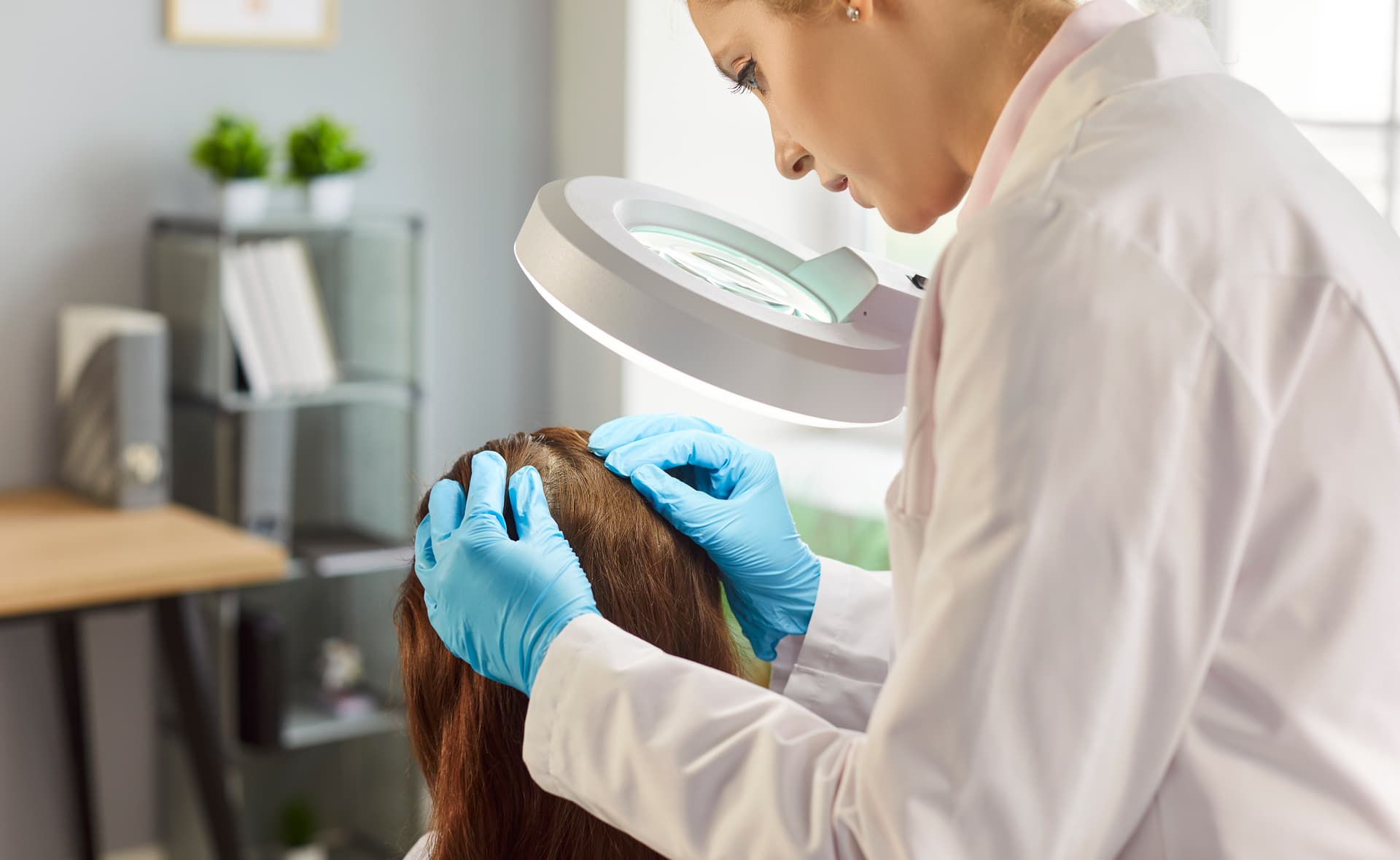
It all starts with a thorough examination of the scalp and the hair loss. Among other things, the cause of the hair loss, the density in the donor area, the hair structure and general health are assessed. Existing conditions, medication and earlier treatments should also be discussed.
An important part is discussing personal expectations. Together with the treating doctor it is decided which areas are to be treated and what hair density can realistically be achieved. How the hair loss might develop in future also has to be taken into account. Serious planning therefore does not promise a particular result but shows realistic possibilities and limits.
Planning the hairline and the number of grafts
Before the procedure the desired hairline is drawn in. It should suit the age, the shape of the face and the existing hair density. A hairline set too low or unnaturally straight can look conspicuous later and is difficult to correct.
Then it is estimated how many grafts are needed. A graft usually contains a natural follicular unit with one or more hairs. The number required depends on the extent of the bald areas, the desired density and the capacity of the donor area. It is important not to thin out the donor area too much, so that a harmonious appearance is preserved in the long term as well.
The day of the treatment
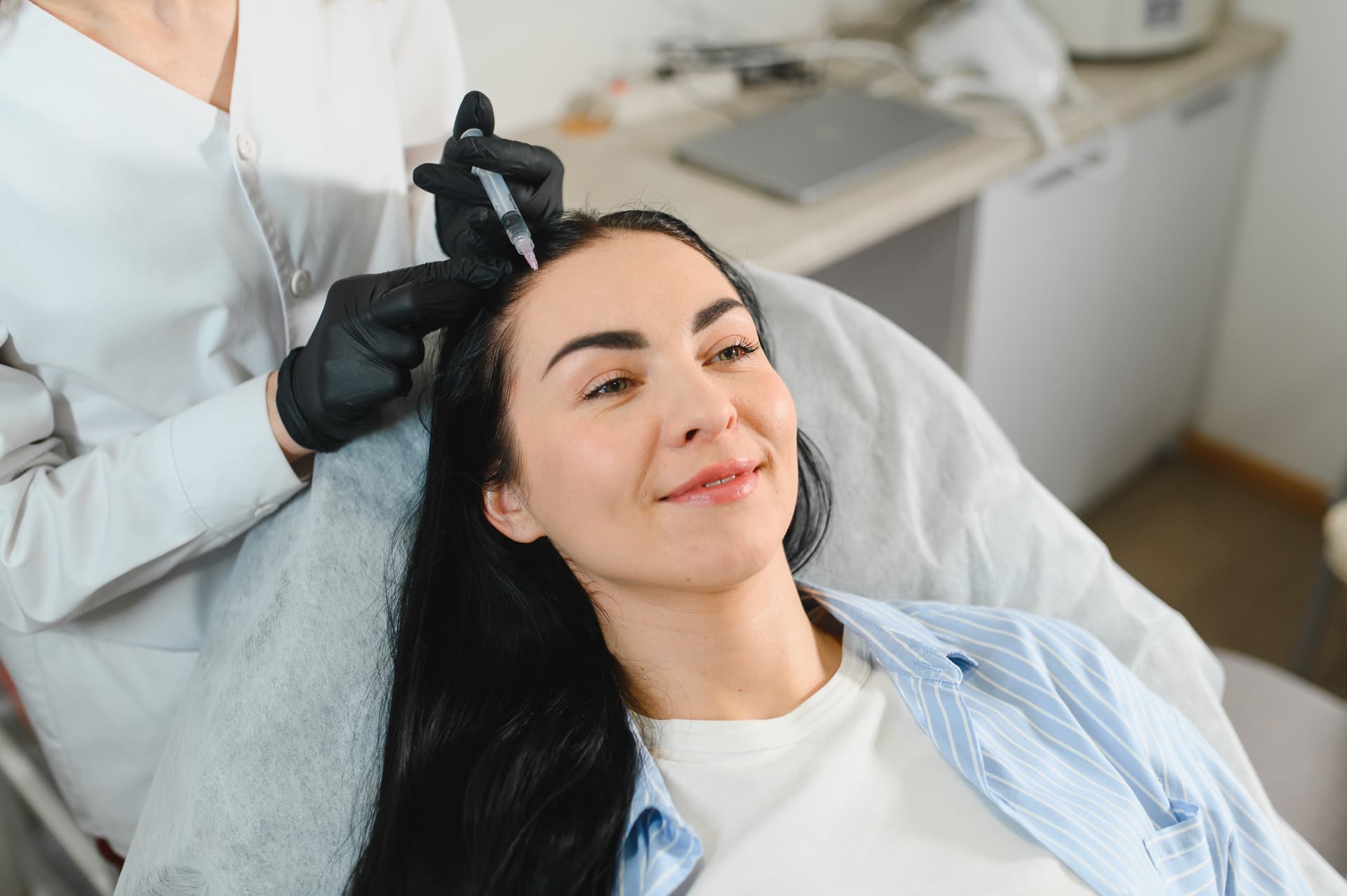
A hair transplant is normally carried out as an outpatient procedure under local anaesthetic. Depending on the method, the hair roots are removed individually from the donor area, for example with the FUE technique. With the FUT method, by contrast, a narrow strip of skin is removed and then divided into individual grafts.
After extraction, the grafts are carefully sorted and stored protected until implantation. The team then prepares the recipient area. Small channels are created or the grafts are placed directly with an implanter pen. The natural angle, the direction of growth and an appropriate distribution of the hair roots are decisive. Depending on the scope, the treatment can take several hours.
The first days and weeks
Straight after the procedure, redness, slight swelling, a feeling of tightness and small crusts are common. During this phase the treated scalp has to be cared for particularly carefully. The team explains when and how the hair may be washed and which medication or care products to use.
In the first few days patients should avoid pressure, friction and heavy physical strain. Sport, swimming pools, saunas and direct sunlight are usually restricted at first as well. Follow-up appointments help to check the healing and to answer questions about aftercare.
The growth phase
In the first weeks the transplanted hair shafts can fall out again. This so-called shock loss is often a normal part of the healing process and does not automatically mean the hair roots are lost. Surrounding hair can also appear temporarily thinner.
New growth usually begins from the third or fourth month. At first the hairs are often still fine and unevenly distributed. After that the density gradually increases. Between the sixth and ninth month the progress usually becomes clearly visible, although growth is not equally fast in every patient.
The final result
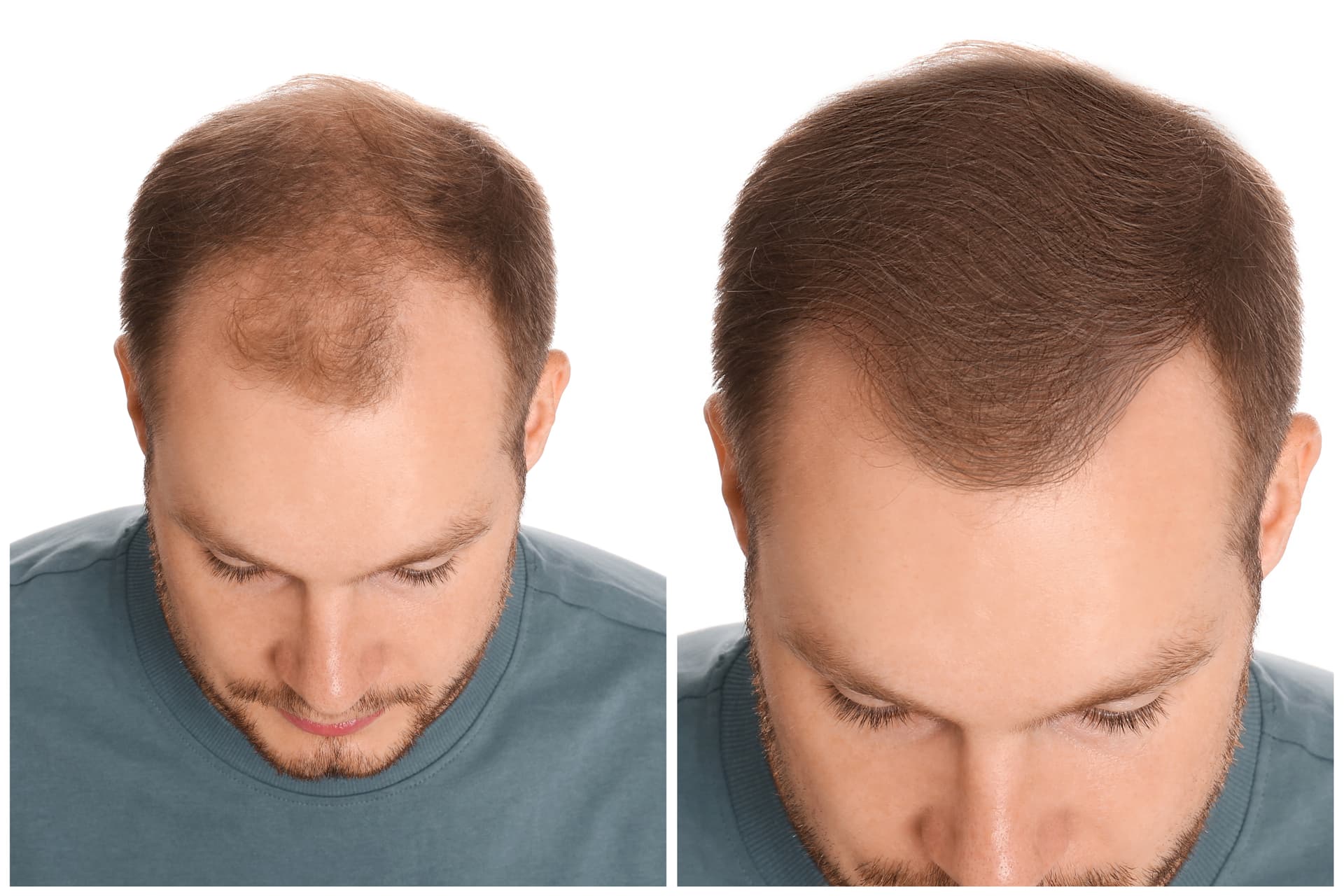
The final result is usually visible after about nine to twelve months. By then the transplanted hairs have thickened further and blended into the existing hair structure. In some patients full development can take longer.
Regular check-ups make it possible to document the healing and assess the development. It also remains important that a hair transplant does not in principle stop genetic hair loss. Hair that has not been transplanted can continue to thin. A complementary medical treatment can therefore make sense and should be discussed with a specialist.
A successful hair transplant is therefore based on several factors: a careful diagnosis, realistic hairline planning, gentle extraction, precise implantation and consistent aftercare. Anyone who knows the timeline and gives the hair enough time to grow can judge the development of the result better.
Are you interested in a hair transplant in Croatia or Slovenia? Start with a free first consultation!
Interested in treatment?
Get a free consultation now