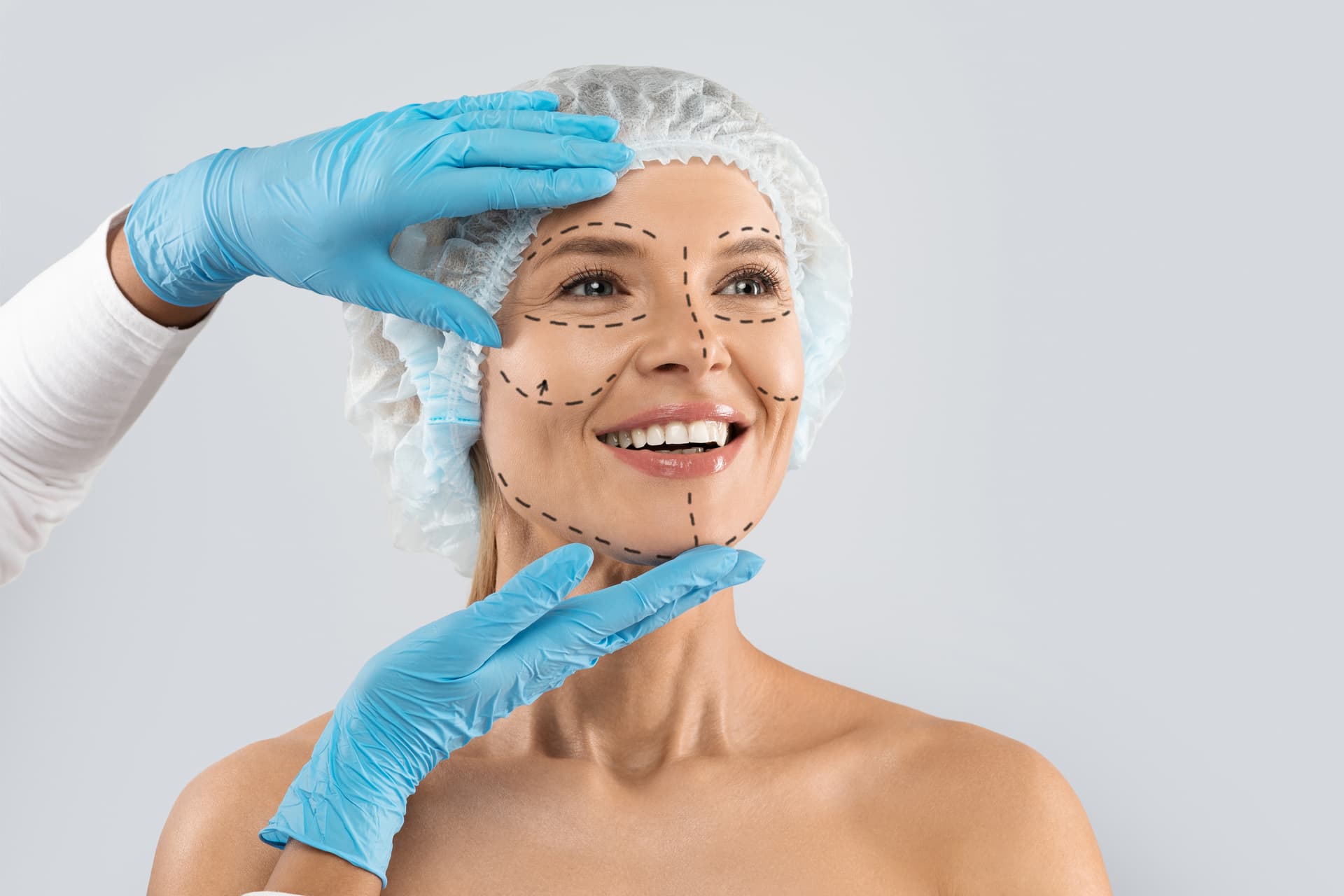
Cosmetic surgery abroad: quality criteria, risks and safe planning

Anyone planning cosmetic surgery abroad should not look at the price first, but at the qualifications, safety, aftercare and accessibility of the clinic. For patients from Germany, Austria and Switzerland in particular, treatment in Croatia or Slovenia is often attractive because easy accessibility, established private clinics and prices that are often lower than in the DACH region come together. Nevertheless: an inexpensive operation only makes sense if medical standards, transparent information and a reliable aftercare plan are guaranteed.
Why the price alone is not enough
Many people begin their research with a price comparison. That is understandable, because aesthetic procedures such as an eyelid lift, breast surgery, liposuction or a nose correction can be offered considerably cheaper abroad than in many clinics in Germany, Austria or Switzerland. But low prices in themselves say nothing about the surgeon's experience, the quality of the anaesthesia, the equipment in the operating area or how possible complications are managed. What is decisive is whether a clinic explains clearly who operates, what training they have, how the procedures are prepared and what the care after the procedure looks like. Reputable providers explain not only the planned procedure but also limits, risks, downtime and the individual healing process. This is exactly where high-quality medical tourism parts company with pure price offers that lack a proper structure.
Checking the specialist qualification and the clinic's licence
The most important point before any booking is the surgeon's qualification. With aesthetic surgery you should check whether the operation is really carried out by a specialist in plastic, reconstructive and aesthetic surgery, or by a suitably qualified specialist in the relevant field. Reputable partner clinics usually state this qualification clearly on their websites. GO Medics has already made a pre-selection for you. We work exclusively with well-known clinics and doctors in reconstructive and aesthetic surgery in Slovenia and Croatia. Besides the surgeon, the clinic itself should also be checked. An official licence, clearly visible contact details, verifiable information about the location, transparent team pages and information on whether procedures are carried out in a licensed clinical environment are all important. At many of our partner clinics, international awards, ISO certification and Temos accreditation additionally speak for structured processes in an international patient setting.
Surgical standards and anaesthesia
Many patients pay close attention to before-and-after pictures but forget the surgical infrastructure. Yet safety and the result depend largely on whether the procedure is carried out under suitable operating conditions with qualified anaesthetic staff, appropriate monitoring standards and clear protocols. With breast surgery, liposuction, facelifts or combined procedures in particular, anaesthesia plays a central role. It is a positive sign when a clinic shows its medical team transparently and names the anaesthetists explicitly. That matters, because good aesthetic surgery is never just the surgeon but a whole team of surgery, anaesthesia, theatre nursing and aftercare.
Patients should ask specifically in advance:
- Where does the operation take place?
- Who is responsible for the anaesthesia?
- What form of anaesthetic or sedation is planned?
- How long is the monitoring after the procedure?
- Is an overnight stay or inpatient observation possible if needed?
- How is an early complication dealt with?
Anyone who receives only evasive or very general answers to these questions should be careful. Reputable clinics answer safety questions clearly and without evasion.
Preliminary examination, information and realistic planning
Safe cosmetic surgery does not begin on the day of the operation but with medically sound preparation. That includes the medical history, a list of medication, pre-existing conditions, allergies, smoking habits, earlier operations and, if needed, laboratory values or further examinations. Reputable clinics plan procedures individually. Being properly informed is just as important. Before travelling, patients should know in writing exactly which procedure is carried out, what technique is planned, what scars can occur, how long healing takes and what risks realistically exist. That also includes questions about thrombosis prophylaxis, compression garments, pain management, wound checks and how to behave in the first days after the procedure.
Communication and translation
With treatment abroad, language is not a side issue but a safety factor. Medical information, consent, medication instructions and aftercare instructions have to be fully understood so that risks do not rise unnecessarily. Our partner clinics in Croatia and Slovenia treat international patients and have experience in cross-border communication. And what matters most for you: they speak German!
Even so, the following should be clarified before booking:
- In which language does the consultation take place?
- Are findings, consent forms and surgical recommendations provided in German?
- Is there a fixed contact person for German-speaking patients?
- Who answers questions after the return home?
If you are unsure, request important documents in writing beforehand. Written communication protects against misunderstandings and also helps after your return, when findings or recommendations have to be passed on to your GP or a clinic at home.
Travel planning and minimum length of stay
A common mistake is to schedule the operation, the return journey and sightseeing too tightly. After cosmetic surgery the body needs rest, check-ups and the chance to react to swelling, pain or early wound problems. So not only should the journey be comfortable, enough time on site should also be planned. For patients from German-speaking countries, Zagreb and Ljubljana are generally easy to reach. Our partner clinics in Zagreb and Ljubljana benefit from urban infrastructure and good transport links. How long the stay should be depends on the procedure. Small non-surgical treatments naturally require less time than breast surgery, rhinoplasty or a facelift. For surgical procedures, enough time should always be planned for at least one preliminary examination, the procedure itself and one or more check-ups before travelling home. Anyone who leaves too early shifts the risk back home and makes proper aftercare harder.
Aftercare on site and after returning home
A good procedure does not end when you leave the operating theatre. The first days after aesthetic surgery often decide how safe the healing process is and how early problems are spotted. It therefore makes sense to choose a clinic that not only operates but also offers structured check-ups and stays available for questions.
The following points should be clarified before you leave:
- When does the first check-up take place?
- Who removes sutures or dressings?
- Which medication has to be taken along?
- Which warning signs require immediate contact?
- Which activities, flights, sports and sun exposure are temporarily forbidden?
- Is there a written aftercare plan?
With international patients it is also important that photos, reports and recommendations can be sent digitally if needed. Clinics with experience in international patient care are often more structured here, because they organise aftercare at a distance regularly. GO Medics supports you with all the points listed above.
What to do in an emergency after returning home
Complications can occur even with well-planned operations. These include post-operative bleeding, infections, stronger swelling, wound healing problems, fever, unusual pain or circulatory problems. Good information therefore does not mean dramatising risks but having a realistic emergency plan. Before the operation it should be clear whom the patient contacts after returning home. Ideally there is a written contact at the clinic, a telephone number for urgent questions and clear guidance on when to go straight to a local emergency department, a specialist or the family doctor. Especially after larger procedures it makes sense to keep the most important documents at hand at home: the surgical report, implant data if applicable, anaesthetic information, the medication plan and the clinic's contact details. With acute symptoms the rule is: do not wait for an answer from abroad if an immediate examination at home is medically necessary. A local medical assessment always takes priority with severe pain, shortness of breath, fever, marked asymmetry, bleeding or circulatory problems.
What patients from German-speaking countries should pay particular attention to
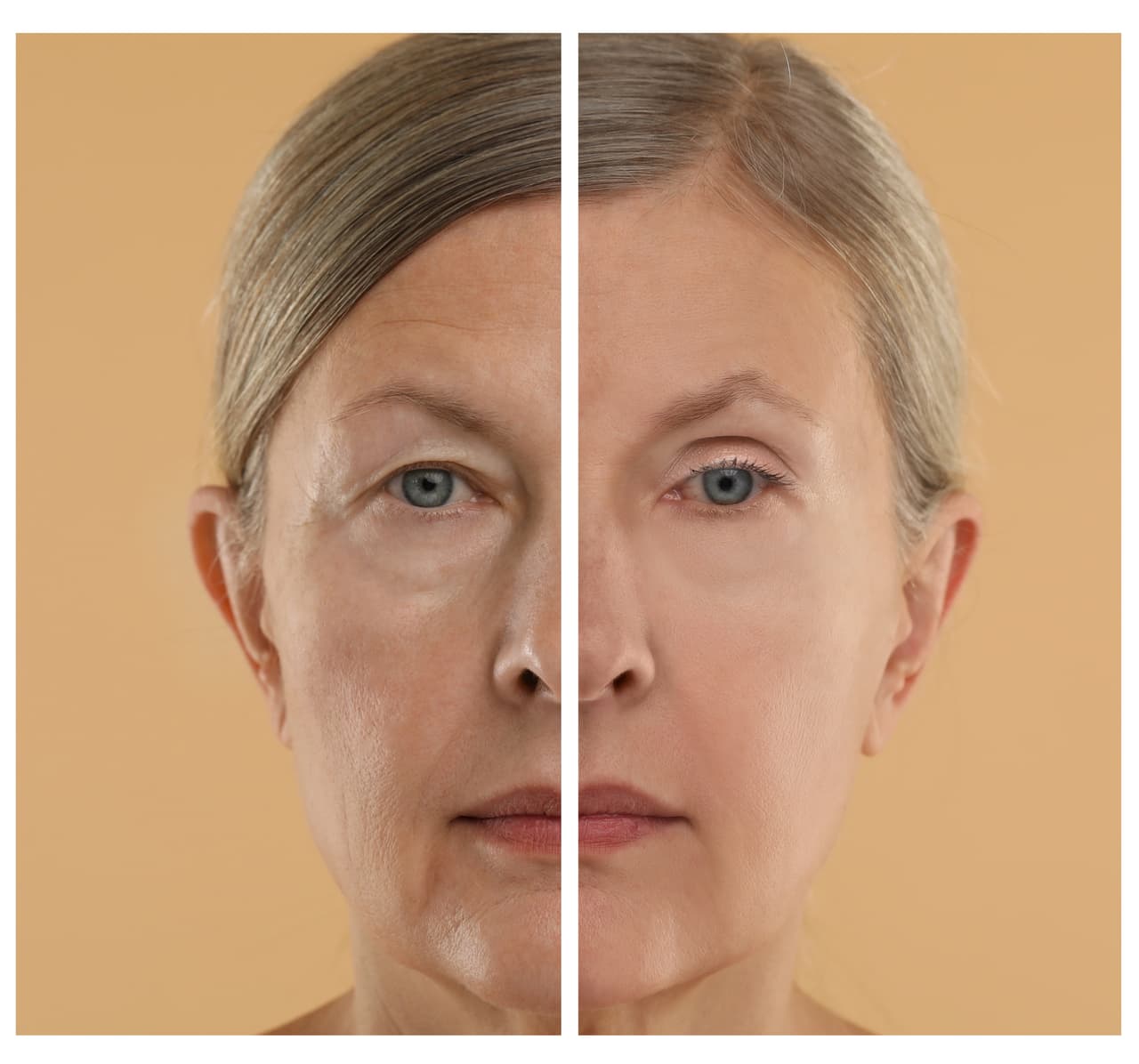
For patients from Germany, Austria and Switzerland, treatment in Croatia or Slovenia makes sense above all when quality, transparency and accessibility fit together. Both countries have established private clinics, experienced specialists and locations that many patients from German-speaking countries can reach easily. At the same time the decision should never rest on advertising alone but on verifiable information about specialist training, infrastructure, anaesthesia, care and aftercare.
Conclusion
Cosmetic surgery abroad can be a very good option for patients from German-speaking countries when it is planned in a structured way and prepared properly from a medical point of view. The decisive criteria are not the lowest price but the specialist qualification, licensed clinic structures, safe anaesthesia, understandable communication, a sufficient length of stay and a robust emergency and aftercare plan. Anyone who checks these points consistently reduces the risks considerably and creates the basis for an informed, safe and realistic decision.
Would you like more information about cosmetic surgery in Croatia or Slovenia? Then contact us today!
Interested in treatment?
Get a free consultation nowRelated treatments
Related articles
Breast surgery: figures, trends and quality criteria — why Croatia and Slovenia are the best choice for patients from German-speaking countries
Read more
Eyelid lift: the most requested cosmetic procedure worldwide — what it means, its advantages and costs
Read more