Global trends in cosmetic surgery: how aesthetics are developing worldwide
The world of cosmetic surgery is changing fast. While breast augmentations and liposuction still topped the statistics a few years ago, 2026 shows a clear trend towards natural, individual and long-lasting results. Current figures from the International Society of Aesthetic Plastic Surgery (ISAPS) show that almost 38 million aesthetic procedures were carried out worldwide — a rise of 42.5% since 2020.
Record numbers of aesthetic procedures
In 2024 plastic surgeons performed more than 17.4 million surgical and 20.5 million non-surgical aesthetic procedures worldwide. The total number of procedures has thus risen by an impressive 40% since 2020. With more than 6.1 million procedures, the USA still leads the global statistics, followed by Brazil with 3.1 million and Japan. Particularly striking: Brazil is the country with the most surgical procedures worldwide — more than 2.3 million operations are carried out there every year.
The eyelid lift replaces liposuction as the top procedure
A historic turning point in cosmetic surgery: for the first time the eyelid lift (blepharoplasty) is the most frequently performed surgical procedure worldwide. With 2.1 million procedures and growth of 13.4% over the previous year, it has pushed liposuction off the top spot. Liposuction does stay in second place with 2.08 million procedures, but recorded a decline of 12.6%.
The top five surgical procedures worldwide:
- Eyelid lift — 2.1 million (+13.4%)
- Liposuction — 2.08 million (-12.6%)
- Breast augmentation — 1.66 million (-17.5%)
- Scar correction — 1.16 million (new in the statistics)
- Rhinoplasty — 1.08 million (-9.8%)
Among non-surgical procedures, botulinum toxin injections (Botox) continue to dominate with 7.9 million treatments, followed by hyaluronic acid fillers with 6.3 million (+5.2%).
The trend towards a natural look
The figures reflect a change in society: patients no longer want dramatic changes but discreet improvements that preserve their individual harmony. The focus is on “prejuvenation” — preventive rejuvenation at a young age — and on regenerative procedures that improve the quality of the skin in the long term.
Dr Amir Karam, a leading facial surgeon from the USA, describes six central trends for 2026:
- Specialisation instead of generalisation: patients look specifically for experts in particular procedures.
- Transparency instead of secrecy: celebrities and influencers share their experiences openly.
- Fat transfer instead of overloading with fillers: your own fat is becoming the gold standard for natural volume correction.
- The quality of surgical results instead of non-surgical hype: patients prefer long-term, lasting solutions.
- Smart, simple skincare: clinically proven ingredients such as retinol and vitamin C are replacing complicated routines.
- Holistic rejuvenation: biology-first approaches instead of isolated quick fixes.
Regenerative medicine and skin longevity
A particularly exciting trend is the rise of regenerative aesthetics. Procedures such as PRP (platelet-rich plasma), PRF (platelet-rich fibrin), exosomes and biostimulating fillers are increasingly becoming the standard. Rather than achieving short-term effects, these methods aim to stimulate the body's own collagen production and improve the structure of the skin lastingly.
The term “skin longevity” describes this change of paradigm perfectly: it is no longer only about smoothing wrinkles but about the long-term health and quality of the skin. Patients increasingly invest in preventive treatments that slow the ageing process before visible signs appear.
Body contouring after weight loss
The popularity of GLP-1 medicines such as Ozempic and Wegovy has triggered a new trend: body contouring after rapid weight loss. Patients who have lost a significant amount of weight look for solutions for excess skin and remaining fat deposits. Tummy tucks (abdominoplasty), upper arm and thigh lifts and 360-degree body lifts (belt lipectomy) are recording a clear rise.
The top five surgical procedures for women:
- Liposuction — 1.79 million
- Eyelid lift — 1.63 million
- Breast augmentation — 1.61 million
- Tummy tuck — 945,000
- Scar correction — 836,000
Among men the eyelid lift leads with 489,000 procedures, followed by gynaecomastia operations (383,000) and scar corrections (319,000).
Age groups and preferences
The distribution by age group is interesting: while botulinum toxin is number one in every age group, there are clear differences when it comes to surgical procedures.
- 17 or younger: rhinoplasty is the most common procedure (45,500 procedures).
- 18–34 years: botulinum toxin leads with 1.8 million treatments.
- 35–50 years: botulinum toxin with 3.7 million treatments — the largest age group.
- 51–64 years: botulinum toxin with 1.86 million.
- 65 and older: botulinum toxin with 473,000 treatments.
Particularly striking: 54% of all breast augmentations, 60% of all nose corrections and 48% of all procedures in the genital area are carried out on 18- to 34-year-olds.
Hybrid breast aesthetics and individualisation
In breast aesthetics a trend towards hybrid methods is emerging: combining implants with a transfer of the patient's own fat allows more natural contours and better proportions. Instead of standardised solutions, patients opt for individually tailored procedures that take their anatomy and way of life into account.
Smaller, well-proportioned breast implants, fat transfer for subtle improvements and hybrid augmentation techniques (fat + implant) are particularly sought after in 2026. Patients give priority to skin quality, comfort and natural proportions — a clear farewell to the exaggerated body shapes of the last decade.
Facelifts and minimal procedures
The facelift is experiencing a modern comeback — particularly in the form of mini facelifts and MACS lift techniques designed for subtlety and natural results. Facelifts recorded 737,000 procedures worldwide in 2024 (+7.4%), while brow lifts with 524,000 procedures showed impressive growth of 27.5%. At the same time minimally invasive procedures are becoming more popular among younger patients: low-dose Botox, micro fillers and gentle device therapies are becoming routine — a trend known as “prejuvenation”.
Medical tourism and safety
Countries such as Tunisia, the UAE, Colombia and Turkey record the highest proportions of foreign patients. Medical tourism is booming, particularly for complex procedures such as hair transplants, dental treatment and cosmetic surgery.
GO Medics is working to make Slovenia and Croatia better known as destinations for cosmetic surgery too.
Experts stress the importance of safety and qualification. Dr Naveen Cavale, chair of the ISAPS Communications Committee, warns: “Although these are elective procedures, aesthetic surgery is real surgery with risks and possible side effects. Safety should be the priority, and we encourage patients to choose a certified, specialist plastic surgeon.”
Natural results, individuality and durability
Cosmetic surgery in 2026 is marked by a rethink: away from standardised procedures, towards individual, natural solutions. Patients want to recognise themselves — not an optimised version of somebody else's ideal.
The future belongs to regenerative procedures, preventive skincare, holistic approaches and the combination of surgical precision with non-surgical refinement. Anyone deciding on an aesthetic procedure today has more options than ever — and the chance to choose exactly the treatment that suits their individual anatomy, their lifestyle and their personal goals.
You can find further information on the IMCAS website: IMCAS — Congresses on Dermatology and Aesthetic & Plastic Surgery
Would you like more information about what we offer in the field of cosmetic surgery? Then contact us today!
Interested in treatment?
Get a free consultation nowRelated treatments
Related articles
Tattooentfernung: Gründe, Methoden, Risiken
Read more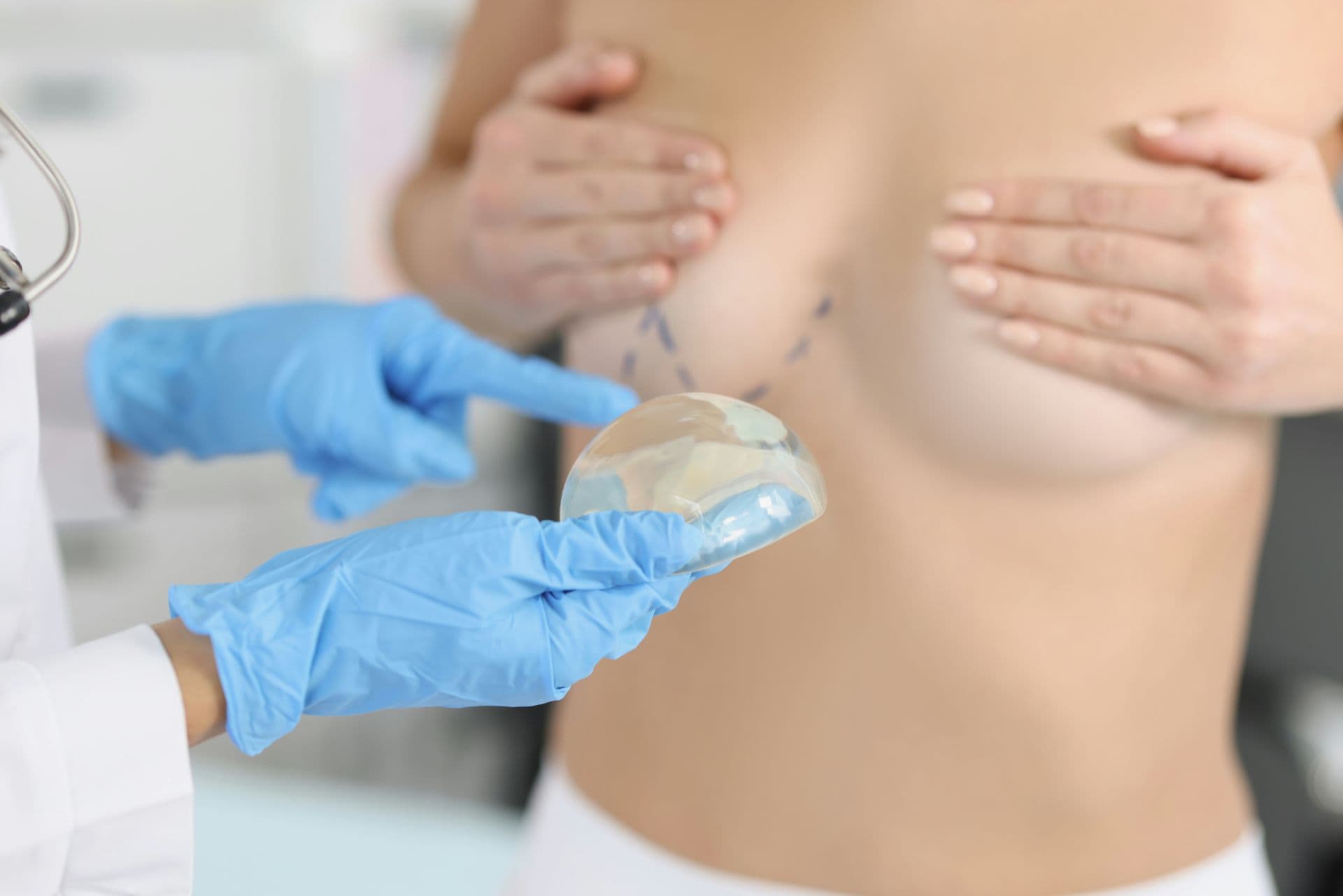
Breast surgery: figures, trends and quality criteria — why Croatia and Slovenia are the best choice for patients from German-speaking countries
Read more